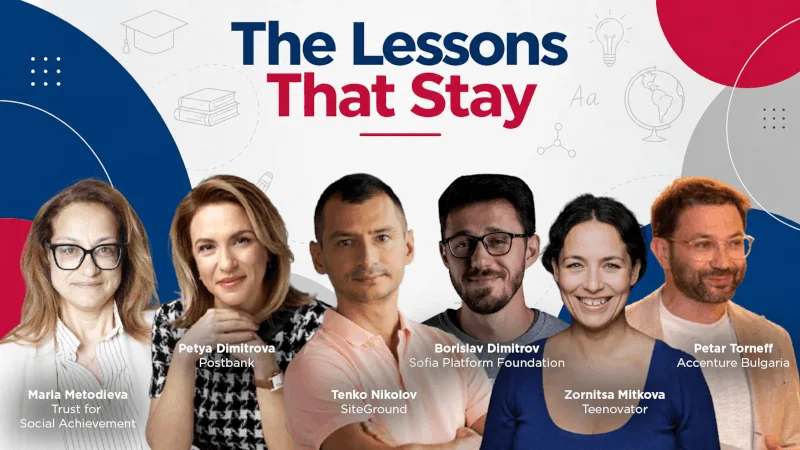
School ends. Some lessons don’t. We asked six leaders from business and the nonprofit world which teacher or lesson still shapes the way they think and work.
“School teaches us how to learn. It teaches us how to think.”
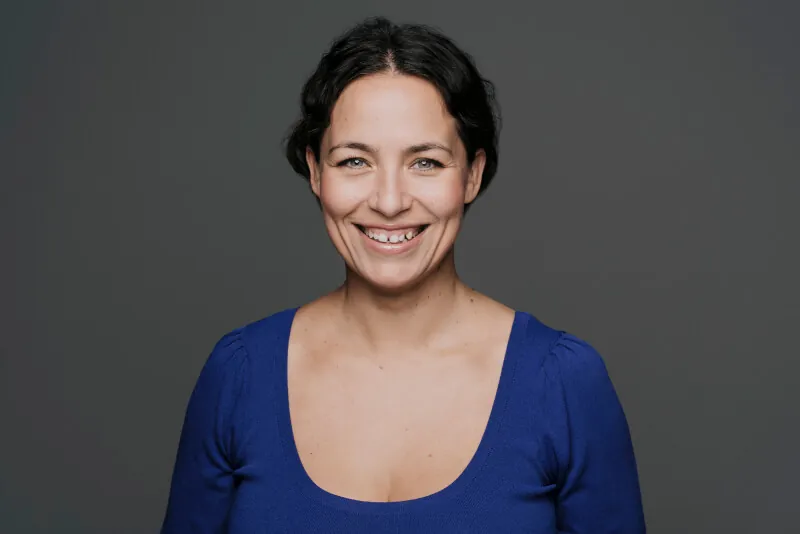
Zornitsa Mitkova
Managing Director, Teenovator
School teaches us how to learn. It teaches us how to think. And that matters even more now, because it has become so easy to outsource your thinking to AI. If you do that across every subject, what happens when you have to think for yourself in real life? The more skills and knowledge you have, the steadier your footing in the incredibly uncertain future ahead.
I see this at Teenovator, too. Some assignments we used to give as homework are now part of the sessions themselves, so students have to work through them in real time. Leave them for home, and students can simply ask AI, copy the answer, and sometimes not even read it.
But when they stand in front of investors and pitch their ideas, it matters whether they are reading from their phones or speaking with real excitement about something they came up with and worked to build. That will always matter.
“Believe in yourself, but never at someone else’s expense.”
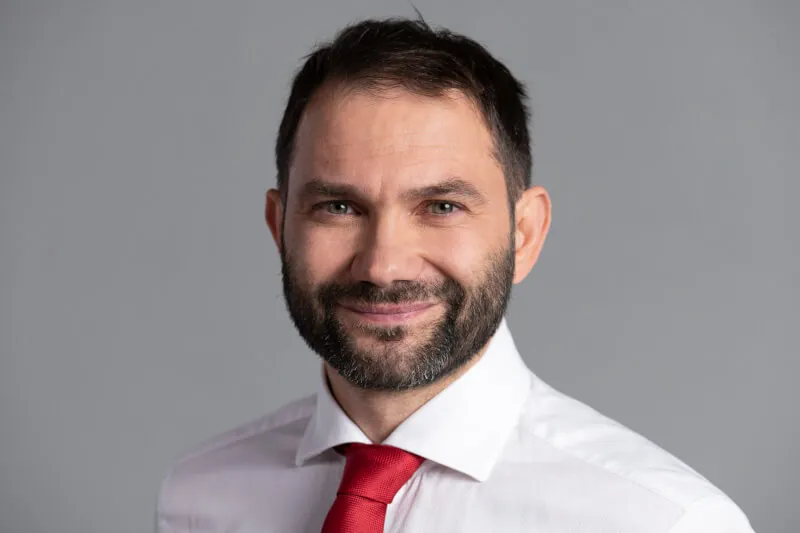
Petar Torneff
Managing Director, Accenture Bulgaria
When I look back on my school years, grades are not the first thing I remember. I remember people—and a few lessons I may not have fully understood at the time, but that have stayed with me for life.
One was respect for other people. Our teachers used to tell us that strength isn’t about asserting yourself over someone else. It’s about standing beside someone who needs you—reaching out to the kid who is less confident, quieter, or, for whatever reason, has been left out. And it’s about having the courage to stand up to people who humiliate or hurt others simply because they are different.
That taught me something I still consider enormously important: never let someone believe they are worth less simply because they are different. Sometimes a word, a gesture, or one person standing beside you at the right moment can change how you see yourself for years.
The other lesson was to believe in myself and to dream—but also to understand that dreams don’t come true simply because we have them. You need the confidence to believe you are capable of more, the courage to turn a dream into a goal, and the discipline to make that goal real. Many things I have achieved in life once seemed distant, even impossible.
Today, when I meet young people who doubt themselves or are afraid of being different, I think about how important those lessons still are. Believe in yourself, but never at someone else’s expense. Be brave enough to pursue your own dreams and generous enough to help someone beside you believe in theirs.
Dreams give us direction. Goals get us moving. And the people we bring along give success its meaning.
“Cut it by a third.”
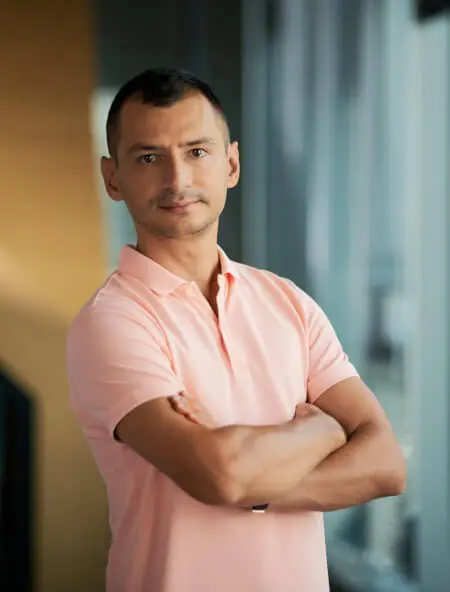
Tenko Nikolov
CEO, SiteGround
My literature teacher used to hand back my essays with one note written across the top: “Cut it by a third.” No explanation.
I would do it, irritated, and every single time the piece got better. It turned out I was writing at length not because I had so much to say, but because I wasn’t yet sure what I wanted to say—or exactly how to say it.
Ever since, I’ve written everything twice: once to work out what I actually think, and again to say it in a way that is easy to understand.
To this day, if someone on my team gets a two-sentence email from me—which happens a lot—it isn’t because I was in a hurry. It’s because I cut the first version down until only what really needed saying was left.
“Chance favors the prepared mind.”
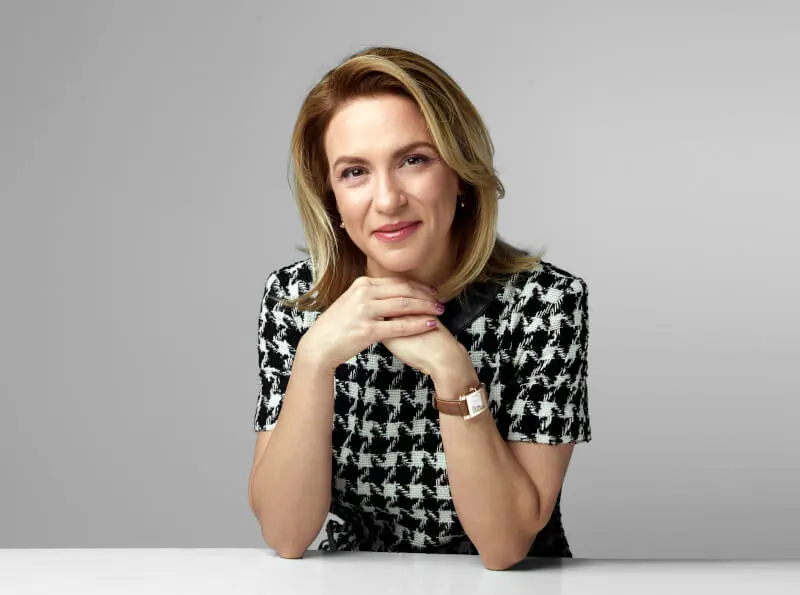
Petya Dimitrova
CEO and Chair of the Management Board, Postbank
I learned in school that success begins with preparation. Back then, that meant walking into the classroom confident that you were ready to do your best. Preparation was about more than getting a good grade. It built confidence and discipline. It taught me not to rely on luck or circumstances, but to be ready for whatever came next.
Over time, that lesson took on a much broader meaning. Life rarely follows a script, and it doesn’t always give us time to prepare. That is why I believe real strength lies not only in the knowledge we accumulate—important as that is—but in our ability to face the unknown with confidence and adapt.
Later, that lesson became a personal principle that has stayed with me throughout my career: “Chance favors the prepared mind.” Being prepared doesn’t guarantee that everything will go according to plan. But it gives you the confidence to respond when circumstances change.
Again and again in my professional life, I have seen that success is rarely just luck. What looks from the outside like perfect timing is often the result of work done long before the opportunity appeared.
Knowledge and experience allow you to recognize that moment and act when it comes. I still follow that principle today because, however much the world around us changes, we will always have to face the unknown. Opportunities come to everyone. The difference is who is ready for them.
“While we were studying history in the classroom, new history was being written outside.”
Maria Metodieva
Director of Institutional Development, Trust for Social Achievement
My high school years coincided with an important period in Bulgaria’s recent history. It was just after 1989—a time of enormous change and a sense of new beginnings. I was a student, intensely curious about what would come next. And one thing I still remember vividly from those years is Mr. Krasimir Georgiev’s history class.
I don’t remember every date or event we studied, but I remember listening to his stories. In his classroom, history came alive. The magic was in the way he told it: he didn’t just make us remember what had happened; he made us want to understand why.
Behind every major historical event were people, the decisions they made, and the consequences of those decisions. He taught us to look for the connections between events and to think about how people’s choices can alter the course of history. And in those years, those questions had particular resonance: while we were studying history in the classroom, new history was being written outside.
Today, as we once again live through a period of profound change and uncertainty, I find myself thinking about those classes more and more. The most important lesson I carried away is that history matters not only because it helps us understand the past, but because we can learn from it.
We learn from the past so we don’t repeat its mistakes—and use what we have learned to shape a history worth remembering. Just as I still remember those history lessons today.
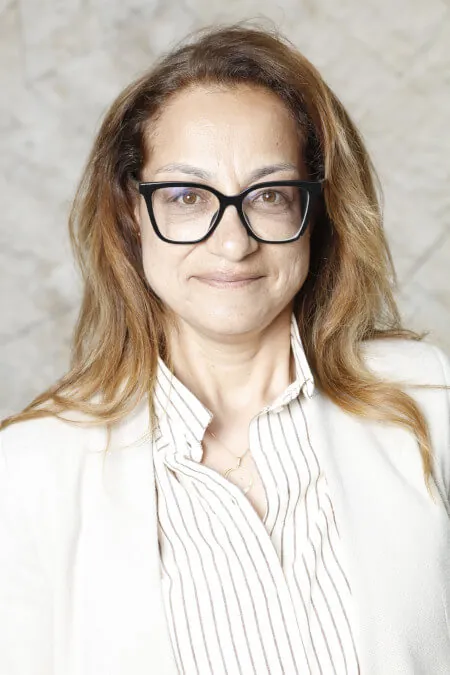
“I learned some of the most important things outside school.”
Borislav Dimitrov
Co-Director, Sofia Platform Foundation
When I tried to think of a teacher or lesson from school that had really shaped me, nothing specific came to mind at first. I didn’t go to a bad school, but it wasn’t a particularly stimulating environment either. Learning was just sort of… flat. Then I realized that I had learned many of the things that matter most to me outside school.
A lot of my work ethic and habits came from people I worked with. I started at 17 as a mover. Later I stocked supermarket shelves, worked in call centers, ran my own businesses, and eventually moved into the nonprofit sector.
In all those places, I met people who did their jobs meticulously, with enthusiasm and discipline. I tried to “copy-paste” what they did—to ask how they worked, volunteer for more assignments, get involved in their projects, and learn the craft from them.
So for me, informal education—hobbies, first jobs, internships, mentorship, the people you surround yourself with—is every bit as important as formal schooling. In my own life, sometimes it has taught me even more.