 Articles about Ninja Turtles top the Google results if you look up Renaissance artists Donatello, Leonardo, Michelangelo, and Raphael. This is no coincidence: the digital generation more readily associates the names with the four combat-trained mutant turtles than with four of the greatest painters that ever lived.
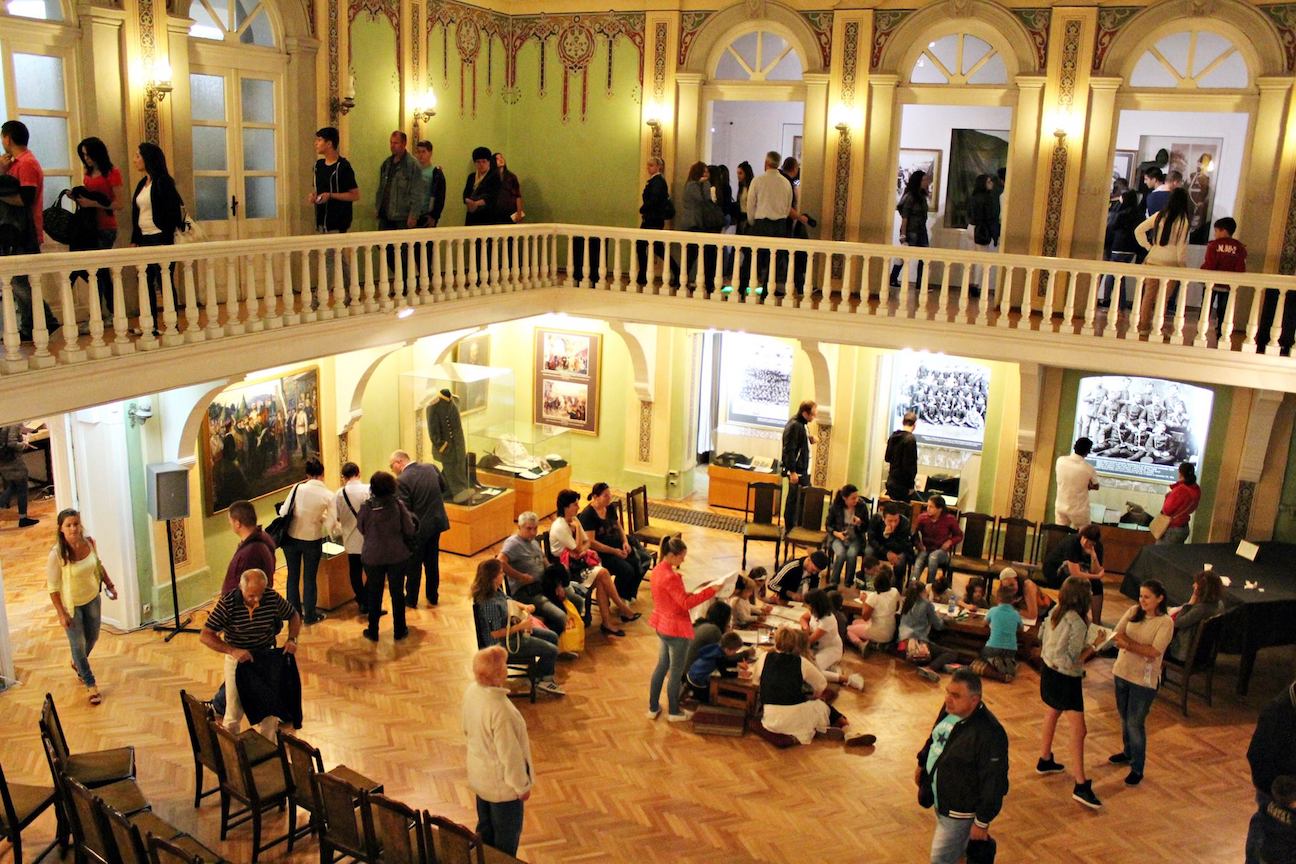
Getting young people closer to art (and more familiar with it) was one of the main goals of the European Night of Museums, which started thirteen years ago. The idea was that, for a few evenings in May every year, museums and art galleries around Europe would open their doors after hours, extending a special invitation to young audiences in particular. They would lure them in with music- and light-enhanced demonstrations, treasure hunts at twilight, games, and access to rarely exhibited art.
Bulgarian museums and galleries have been part of the initiative since its inception in May 2005. They simply extended their working hours and didn’t charge admission. In the beginning, Bulgarian museumgoers were curious, and there was some increase in visits, but the novelty quickly wore off. The number of visitors to Bulgarian museums has remained unimpressive ever since. The reason? “Silent exposure of valuable artifacts is an outdated form of interaction with the public,” writes Vassilissa Ivanova, an expert in marketing and communications and a fan of museum experiences, in an article about the future of museums published in Capital weekly. Museums need to create memorable experiences that visitors can relate to and make themselves particularly attractive to children and their families. Worldwide, people who have meaningful contact with cultural institutions will then invest in cultural experiences by shopping at museum stores, by making donations, or by simply becoming frequent visitors. This way, they help secure the future of these institutions.
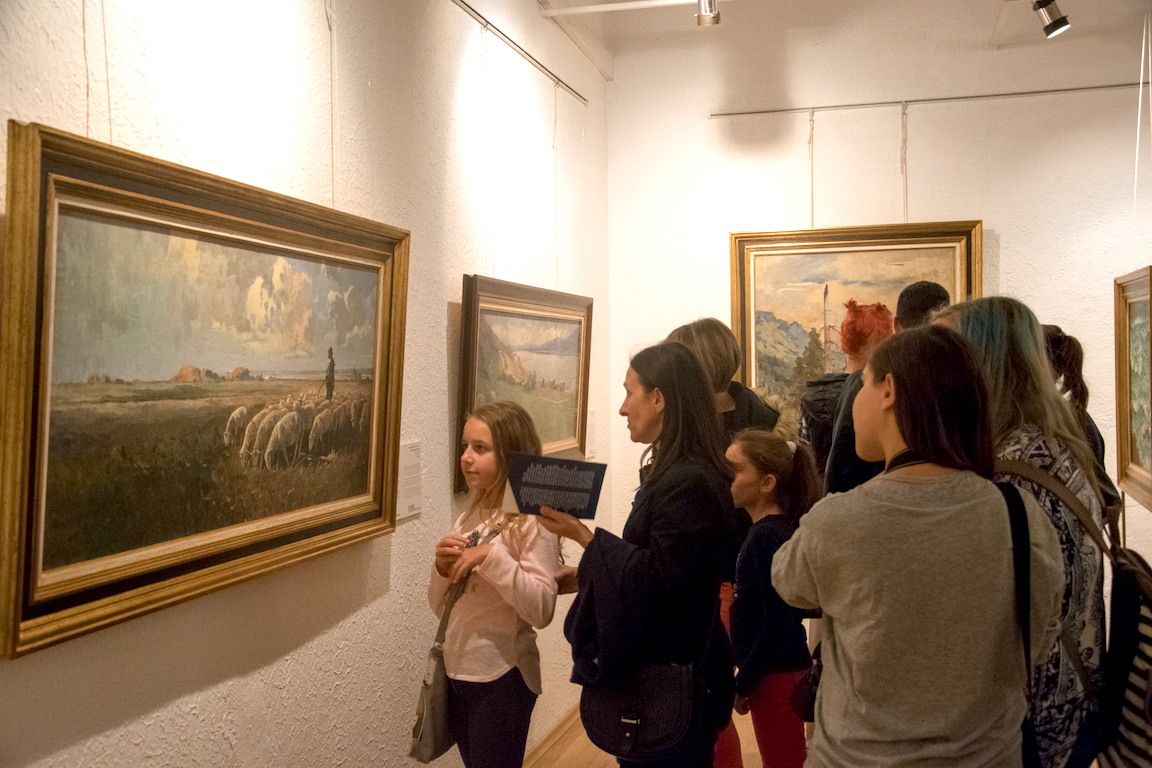 Investments in culture do not generate revenue only for museums and galleries—local economies benefit as well. The European Night of Museums in May is an excellent example of an initiative that promotes tourism. Because of its considerable success across Europe, museums are putting together a greater variety of ever more interesting events, and local governments and communities are frequent partners. Even UNESCO recognized the potential of the European Night and became a patron of the 2018 edition. In Bulgaria, the most successful museum night initiative is the Night of Museums and Galleries in Plovdiv, which was launched in September 2005. An independent study of the economic impact of the Night in 2015 showed that more than 31,000 people had attended the festival, generating a fourfold return on investment.
Since its founding, the America for Bulgaria Foundation has encouraged Bulgarian museums to open up to new forms of communication with the public. In 2009, ABF supported the creation of the first Children’s Corners in five museums nationwide. That same year, it became one of the patrons of the Night in Plovdiv. The children’s zone in the Dobrich Art Gallery and Burgas Natural History Museum’s program for young scientists won over the Foundation with their ingenuity and educational value. ABF became an early supporter of the Easyart Bulgaria foundation, which makes art accessible to kids throughout Bulgaria. At Easyart’s art fairs and workshops, young artists put together ancient Roman mosaic puzzles, learn the differences between Monet and Manet, and paint graffiti in the style of Picasso. In 2015, ABF’s ambition to create a space that would help cultivate young explorers in Bulgaria became a reality: children’s science museum Muzeiko opened in October that year and has since enabled hundreds of thousands of children and their parents to interact with science through games, science-themed art, and fun exhibits.
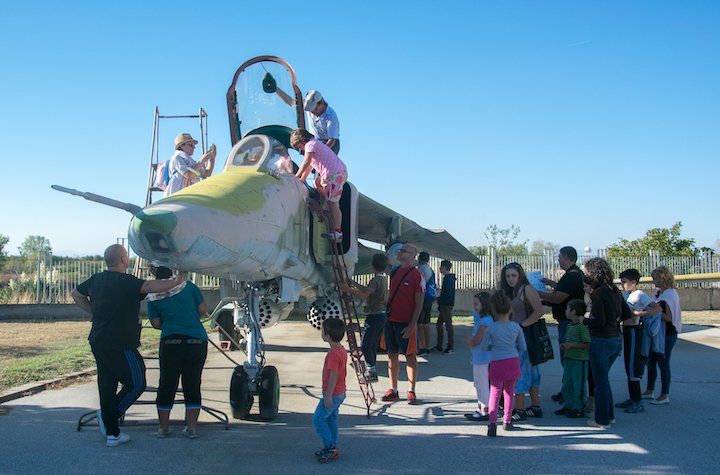 Today, many museums and galleries in Bulgaria successfully apply new methods of communication with the public. The Natural History Museum in Burgas, Varna’s Archeological Museum, and the Regional Historical Museum in Kyustendil are just some of the institutions investing in meaningful visitor experiences. Dobrich Art Gallery partners with kindergartens and schools to make art accessible to every child in the region, while the National Museum of Military History in Sofia celebrates Father’s Day with a special program and free admission. Muzeiko stays open all night several times a year, allowing young researchers and their parents to embark on science-themed adventures and play educational games.
The museum of the Bishop’s Basilica of Philippopolis, which will open in 2019, will immerse visitors into the centuries-old history of the largest early-Christian temple discovered in Bulgaria through innovative design, technology-assisted historical reenactments, and activities for visitors of all ages. The museum’s construction is supported by ABF and Plovdiv Municipality.
“Investing in museum experiences is worthwhile. Instead of looking at dusty exhibits, people become a part of the history of the place and the objects,” says Yuliana Decheva, who coordinates the America for Bulgaria Foundation’s art and culture projects. “This can be achieved with the help of technology or through interactive exhibitions, talks, games, art happenings, and more. The goal is to make visitors feel something—something they will want to share with their friends.”