Listen to the story: 17:09 min
- Go light. Leave the armor behind.
Northwest Bulgaria isn’t the sort of place you visit with a pre-written script. You don’t pack for it the way you pack for Tuscany, or Machu Picchu, or any destination that arrives pre-approved by a thousand listicles. You go because someone you trust says, Go. And if you’re lucky, Come.
We arrived in November with a group that doesn’t hand out wonder easily: tour operators, guides, and professional storytellers, people whose job is to keep moving and keep evaluating. There was curiosity, yes, but also that polite skepticism travel pros wear like a jacket.
Then the Northwest does what it does best: it slips past the jacket.
It doesn’t announce itself with a grand reveal. It doesn’t try to impress you. It simply lets you in—quietly, steadily—until “a region” turns into a mood, a tempo, a way of paying attention. Within the first hours you stop collecting sights and start collecting something stranger: belonging. Later, you’ll struggle to explain it to friends. You’ll just say, It stayed with me.
- In small places, you’re not a customer. You’re a guest.
In Northwest Bulgaria, hospitality isn’t a service industry strategy. It’s a reflex.
In Lyutibrod, somewhere between wine and the songs of a folklore group from the nearby village of Chelopek, a woman simply pulls up a chair and starts talking—no introduction, no performance. After retirement she left her home in Pleven and moved here. Not because it’s convenient (it’s a solid two-hour drive), but because of morning coffee with neighbors, afternoon walks, community life—the feeling of being exactly where she’s meant to be.
No one gasps. Heads nod. This is not a plot twist here.
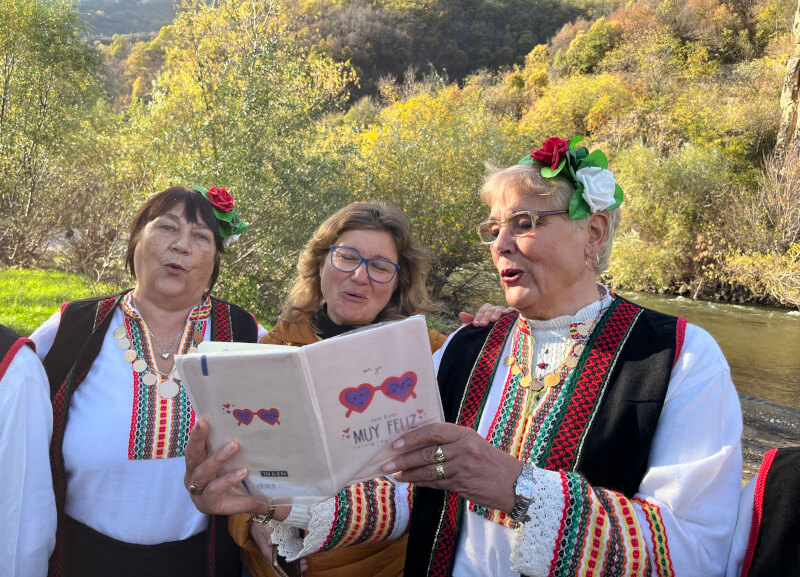
Our host, Ivana Tsakova from The Jolly Vintners, laughs that she sometimes goes to Sofia to rest from socializing. She means it as a joke, and then you realize she also means it as a fact. In villages like these, someone will always wave you over, make room, ask you to stay a little longer. The travel professionals in our group felt it immediately because, in much of the world, this kind of unforced warmth is becoming rare.
The Northwest doesn’t make you feel like a tourist. It makes you feel… expected.
- Some nature can be described. Some nature shuts you up.
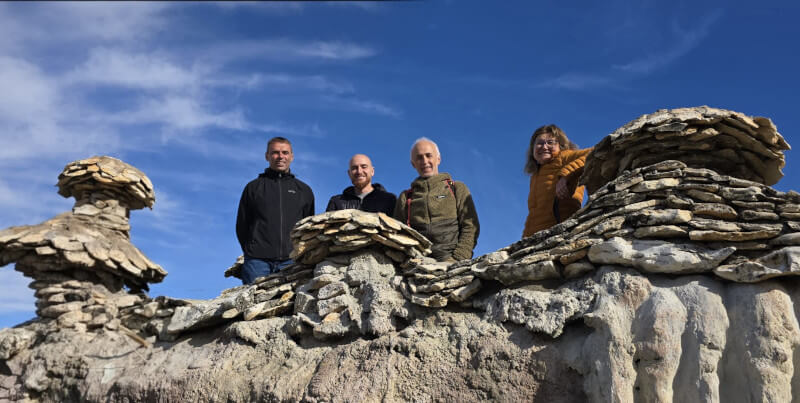
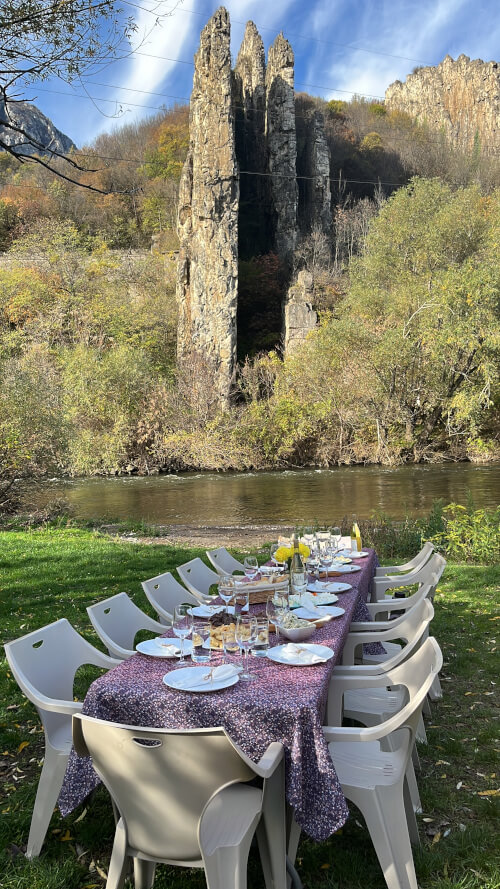
Kobilini Steni is the second kind.
You stand under those rock walls, and you don’t think how high. You think, This can’t possibly be real. The formations look arranged, almost staged, like someone with supernatural patience lined them up by hand. Which is why local legend gives the credit to Krali Marko, the Balkans’ larger-than-life hero. When scale breaks your logic, myth steps in to do the explaining.
And it’s not a one-off. The Iskar Gorge, the Vratsa Balkan, the Belogradchik Rocks—this corner of Bulgaria is full of landscapes that feel a notch too dramatic for ordinary geography.
A good portion of the region also lies along the European Green Belt, one of the continent’s last truly wild corridors. Not “wild” in the brochure sense, wild as in: it still behaves like itself.
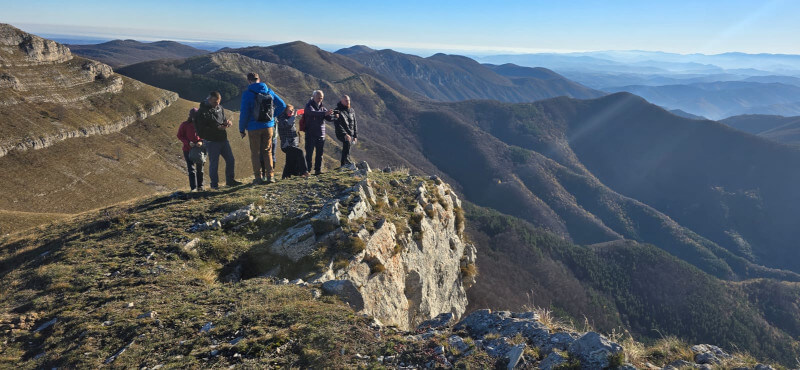
Up in the Balkan Mountains the horizon doesn’t end; it keeps unfolding—ridge after ridge, a long sequence of mountain “waves” fading into distance until your eyes stop counting. Here, “breathtaking” doesn’t sound like lazy travel writing. It sounds like a clinical description of what your lungs do.
- The Northwest is funny. Nature is in on the joke.
Once you’ve recovered your breath, the place starts making you grin.
Take the Belogradchik Rocks: a natural stone theater with characters already cast. The Bear. The Lion. The Camel. The Mushrooms. Names that sound like they escaped from a biology class and got stuck in a geography atlas. There’s also Thinking Rock (apparently because it does), and The Cuckoo, which, in strong winds, quite literally “coos.”
Sometimes the imagination had to work. Sometimes it didn’t. Velkova Head is so specific you don’t need a caption.
And the quirkiness doesn’t stop with the rocks. Near the village of Karlukovo, above the Iskar Gorge, there’s a cave home—an actual building embedded in the cliff. It wasn’t designed as a quirky concept stay. It existed because the area is riddled with caves and once served as a base for speleologists, people who study and explore caves. Nearby is Prohodna Cave, known as “The Eyes of God,” because the ceiling has two openings that stare back at you with unsettling confidence.
A group of enthusiasts from Sofia, led by Georgi Kerkezov, revived the place and turned it into a home for travelers of all kinds, including the type who arrive mostly to confirm that, yes, a cave home in Bulgaria is a real thing.
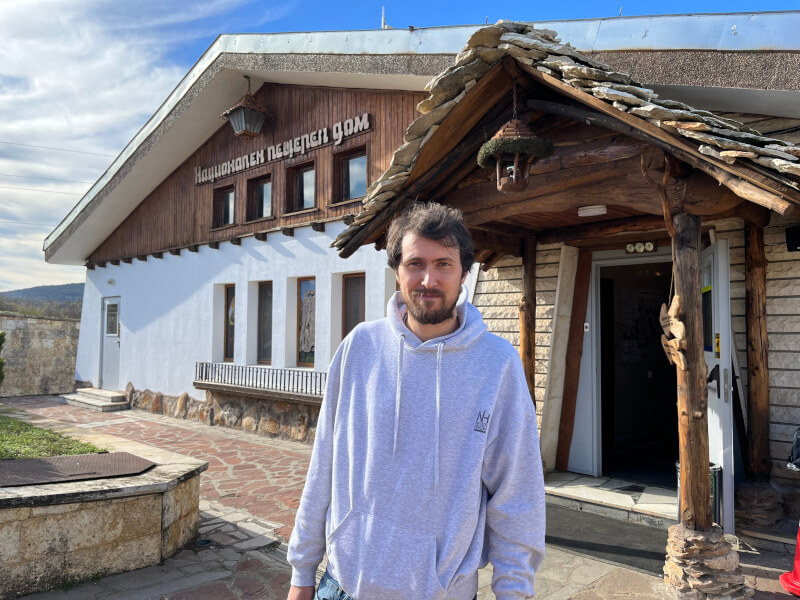
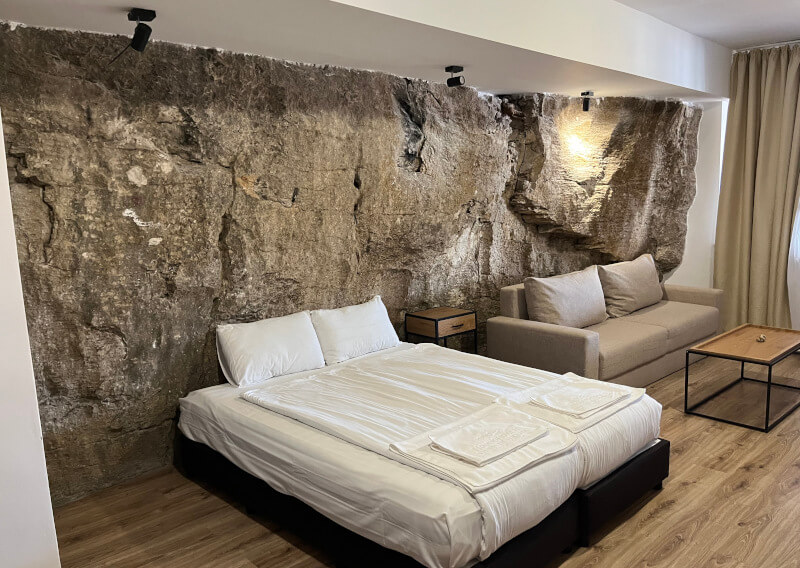
Then, in the village of Falkovets, you find Han Madona—part hobbit hideout, part traditional Bulgarian inn. Not themed. Not curated. Not a brand exercise. It feels like its owner, Radoslav Mladenov: original, quietly humorous, unshowy, deeply attentive. Between guests, the kitchen, and the never-ending chores that come with a place like this, he still finds time to stop by neighbors, offer advice, connect people, help when he can. In the Northwest, this isn’t announced. It’s just done.
Here, the odd isn’t a gimmick. It’s a natural state. And somewhere along the way you understand why other places try so hard to imitate it… and why imitation rarely lands.
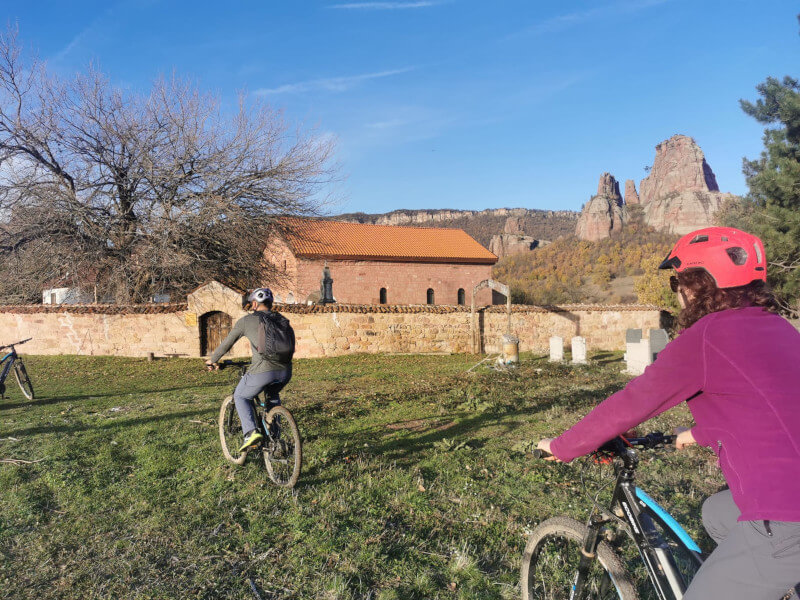
- The people who stay and the people who meant to pass through.
Northwest Bulgaria is full of people who, by every demographic chart, should have left.
It’s also full of people who came briefly and never left. Like the young couple behind the new winery project in the village of Lilyache—restorers who bought an old house, poured years of patient work into it, and are now making wines people are only beginning to talk about.
Or Adriana Srebrinova, chief technologist at Borovitza Winery, who arrived years ago and stayed for good. Under her leadership, Borovitza has built international credibility—from respected London competitions to inclusion in Hugh Johnson’s World Atlas of Wine—helping put not only the Northwest, but Bulgaria itself, on a wider wine map.
Others never left at all—and don’t see the mystery. In Chiprovtsi, Tsvetomir Stefanov doesn’t simply live in his hometown; he actively insists it belongs in the world’s conversation—through craft beer, through hosting, through the simple provocation: Come and see.
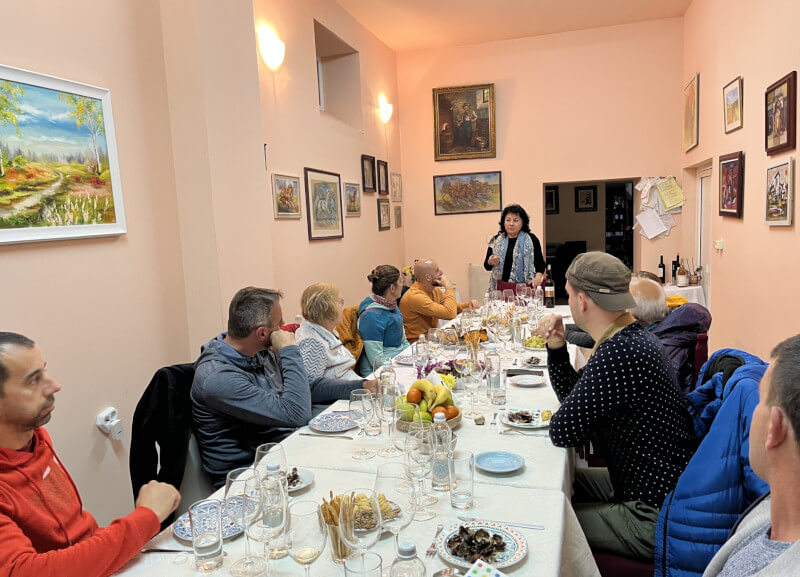
In Vratsa, Georgi Georgiev—Zhoro to everyone—runs the Vrachanski Balkan–Ledenika tourism complex and cooks the kind of food that makes you abandon all plans of standing up. And in the morning, the view of the Balkan Mountains does the rest: it makes the idea of waking up anywhere else feel unnecessary.
Their common thread isn’t romance or stubbornness. It’s lucidity. They don’t argue with stereotypes. They live in a way that makes the stereotypes irrelevant.
- History here doesn’t come with arrows.
The Northwest isn’t a museum corridor with helpful signage. History isn’t arranged into neat routes; it’s scattered, layered, and stubbornly present—from prehistory to Thracians, Romans, “barbarians,” medieval Bulgaria, the National Revival, and the modern era. Sometimes there’s a sign. Sometimes there isn’t even a path.
Which is precisely why discovery here still feels like discovery.
At the Regional History Museum in Vratsa, you can spend hours—from the Vratsa Treasures exhibition to encountering Todorka, one of the oldest known Europeans. The museum doesn’t spoon-feed you. It invites you to linger, to ask, to look twice.
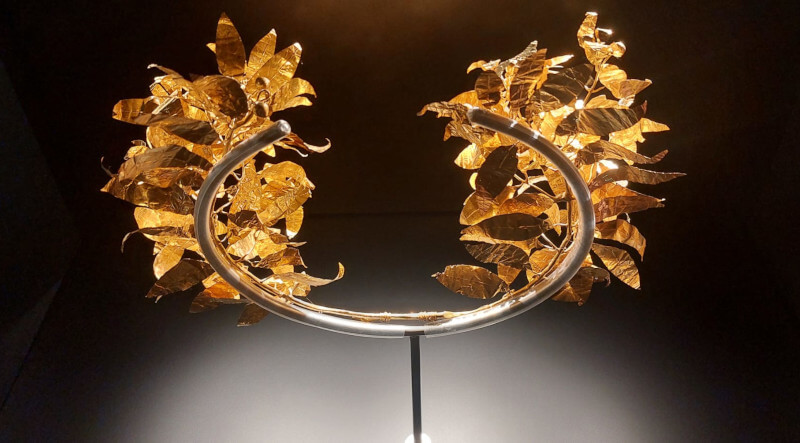
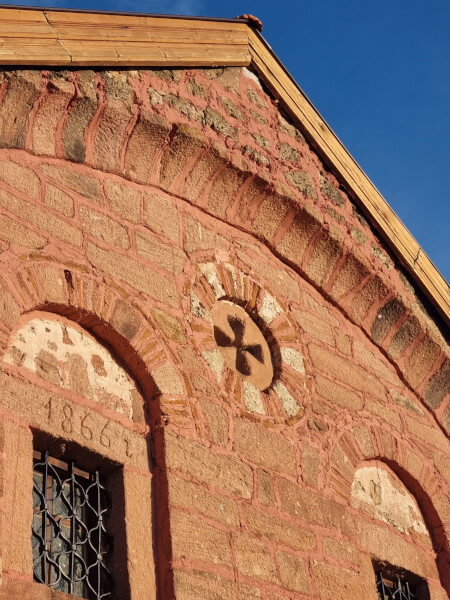
In Prauzhda, one of Bulgaria’s westernmost villages, history isn’t behind glass at all; it’s in the landscape. Emil Tsankov, a farmer, Torlak cultural ambassador, and natural storyteller, guides you through layers that feel both ancient and immediate—from early Christian sites to a medieval church so peculiar it seems to obey its own logic.
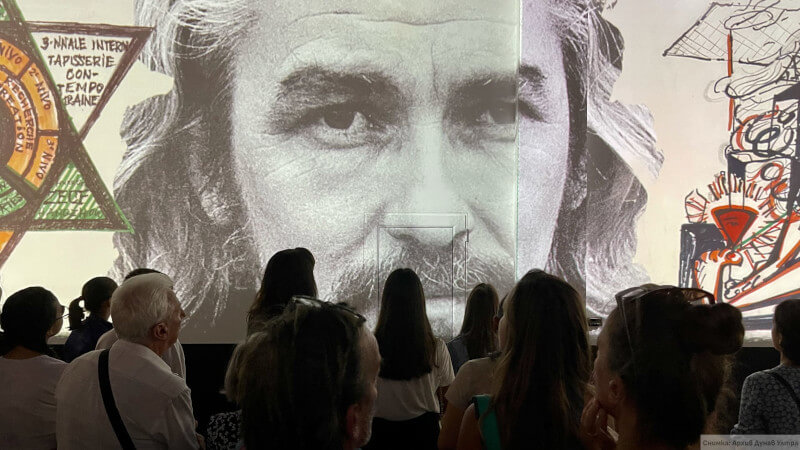
On the Danube in Oryahovo, the Regional History Museum—led by archeologist Evgenia Naydenova, a relentless force for local culture—reveals how much can happen in a town that rarely gets the spotlight. Here you meet the legacy of Marin Varbanov, a master of contemporary textile art, celebrated across continents.
In the Northwest, history doesn’t get presented. It gets uncovered—by anyone willing to step slightly off-route. That’s what keeps it alive.
- Ruins, here, are often beginnings.
In the Northwest, a “ruin” doesn’t always mean loss. Sometimes it’s just a story waiting for a second chapter.
An old inn can ring with travelers’ laughter again. An abandoned house can glow with the satisfaction of wine lovers. A place swallowed by wilderness can become a reason people gather. Not because it’s simple, but because someone chose not to walk past.
This is where our running question—neglected or preserved?—started answering itself. Preserved, in many ways. Wild and unpolished partly because it was never developed to exhaustion. And because the people here never fully signed on to the national catchphrase: It can’t be done.
Ivaylo Markov from the Torlakia Association is one of those people. He reminds you that the Balkan Mountains don’t begin at Mount Kom and that the famous Kom–Emine trail is a shortened version of the full ridge experience. With volunteers, he cleared and marked the Vrashka Chuka–Kom section and is working to restore several old mountain shelters and build fountains along the route. For decades, this was a restricted zone, part of the Iron Curtain. Today it’s accessible again, not because it was “discovered,” but because someone started caring for it.
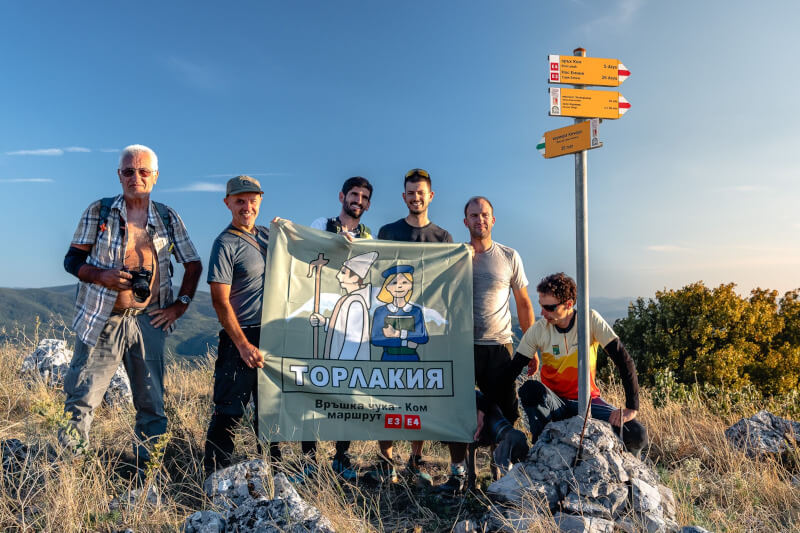
The same story repeats elsewhere. The Vrachanski Balkan–Ledenika complex, the revived cave home near Karlukovo, the 150-year-old home now housing Lilyache Winery—and many more—are alive because someone wasn’t ready to call it quits.
- You won’t leave hungry. Not even close.
In Northwest Bulgaria, hunger is mostly a theoretical concept.
It’s not only the amount, though you’ll see plenty of that. It’s the attitude. Banitsa (savory pastry with fresh cheese and eggs) and fresh bread arrive as if they just happened to exist beside you. Food isn’t “introduced.” It’s placed in front of you with the calm certainty that if you’ve come, you must eat.
In Chiprovtsi, at Pavlova House run by Tsvetomir Stefanov, tradition comes with friendly rivalry: whose banitsa is better—his sister’s or their grandmother’s? There is no correct answer. Or there are many, and you’ll gladly test them all.
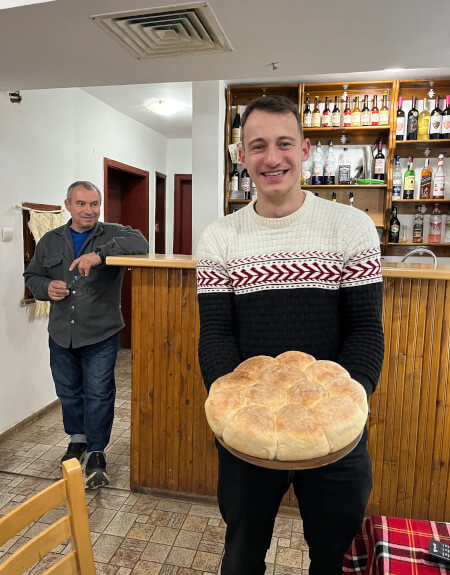
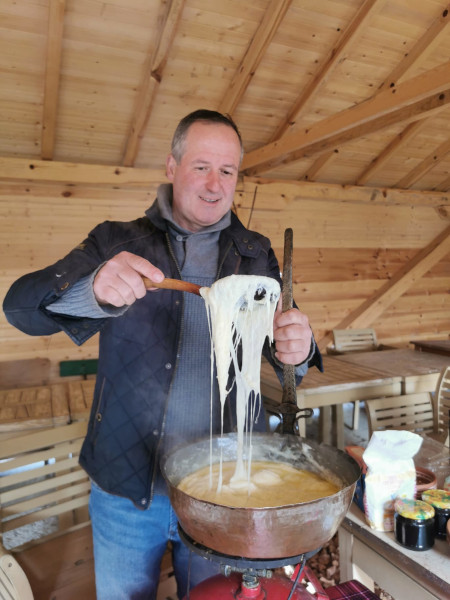
In Prauzhda, Emil Tsankov serves belmuzh—Bulgarian fondue—made from ingredients so fresh your appetite refuses to retire. His honey is a subject of its own; after our visit, there’s a good chance it was no longer available. If it is, buy it. Immediately.
In Berkovitsa, the Krasteva House offers a different kind of local confidence: seasonal cooking built entirely on regional products. Try the game. Then eat slower than you planned to.
Zhoro at Vrachanski Balkan–Ledenika doesn’t do “small portions,” and he’s suspicious of people who announce, “We don’t eat bread.” Those same people typically demolish two or three trays of his homemade loaf. Add the jams: sharp, fragrant, unapologetically old-school.
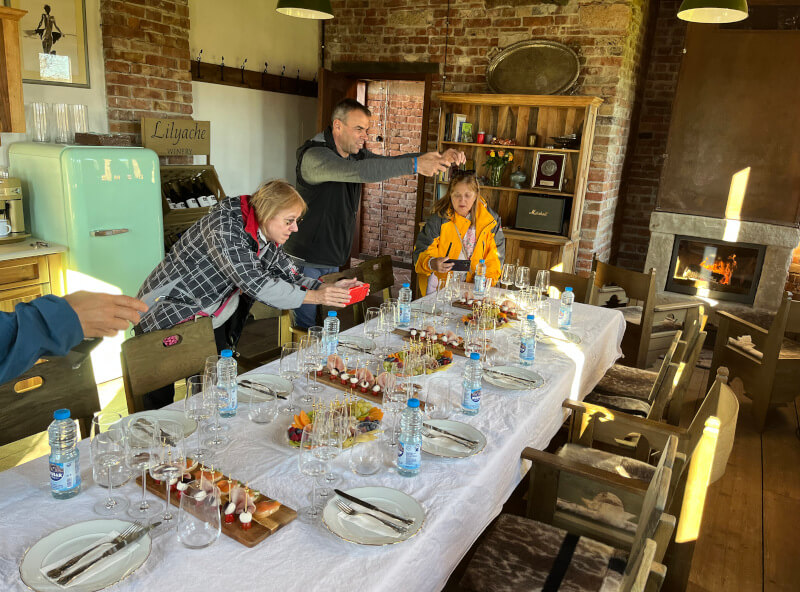
The region’s producers hold their own: fresh goat cheese from Karyana Farm, aged cheeses from Rachenitsa Dairy, Borovitza Dairy. Tradition here isn’t preserved behind glass. It’s preserved by being eaten.
Which helps explain why, in Stakevtsi—about ten kilometers from Prauzhda—you’ll find Onà, chef Filip Zahariev’s restaurant, often mentioned as a future Michelin contender. World-class technique isn’t parachuted in. It stands on a local foundation that has been quietly excellent for a long time.
One final tip, non-negotiable: if you make it to Han Madona, pre-order the roast rabbit. Radoslav’s mother cooks it the way people cook when affection is part of the recipe. There’s a secret ingredient. They won’t tell you what it is. You’ll probably return anyway.
- You also leave with “something for the road.”
In Bulgaria, buying from a small producer rarely ends with a receipt. In the Northwest, almost never.
Gratitude comes in tangible form: a little jar, a bottle, something slipped into your hand “for the journey.” You leave with purchases, yes, but also with care—and the sense you were part of more than a transaction.
- A second visit isn’t a nice idea. It’s the inevitable outcome.
Northwest Bulgaria isn’t a place you check off. It’s a place you circle back to.
Four days only hint at what’s possible. You can cycle for miles without seeing a car. Hike trails with rare birds overhead. Paddle or raft down the Iskar—or sip wine on the bank and watch others do the paddling. Climb. Jump (bungee optional). Go underground. Put on your Indiana Jones boots and learn that the Northwest still keeps secrets: caves still being discovered. (Ask Olya Genova at Vratsa Balkan Nature Park—she’s still finding them.)
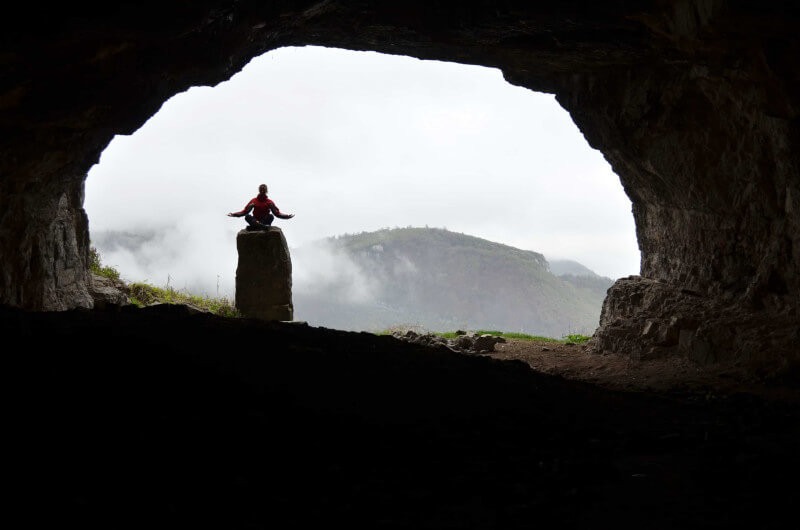
And just when you think you’ve done it all, you realize you’ve only begun.
When people who have seen a lot—people not easily surprised—leave with that unmistakable brightness in their eyes, the kind that comes only from genuine excitement, one thing is clear: something authentic happened here. Something that doesn’t let go quickly.
So don’t overthink it.
Pack a bag.
Come.