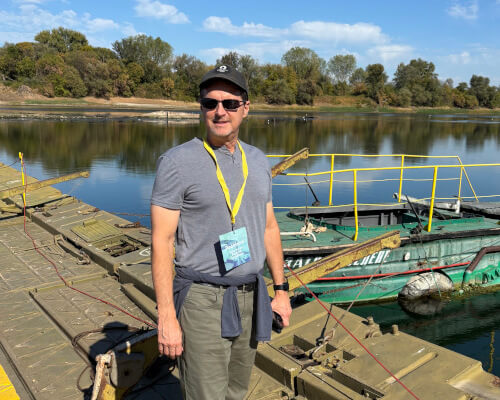
Or reason No. 6 to fall in love with Vidin
Gamza is temperamental.
That is what the people who grow it will tell you. The grape ripens late, demands attention, and punishes carelessness. According to one popular theory, even its name carries the idea of caprice. Once, this old local variety covered vast stretches of northwestern and central northern Bulgaria. Today, it feels almost like a liquid portrait of the region itself: soft, delicate, and stubborn beneath the velvet.
Legend has it that gamza means “a capricious woman,” and the vine does behave that way. You cannot simply leave it alone and expect gratitude. It wants patience. It wants care. It wants someone who understands it.
But when everything comes together, the wine becomes smooth, easy to drink, velvety, with that slightly wild northwestern character that never tries too hard to impress you—and stays with you long afterward.
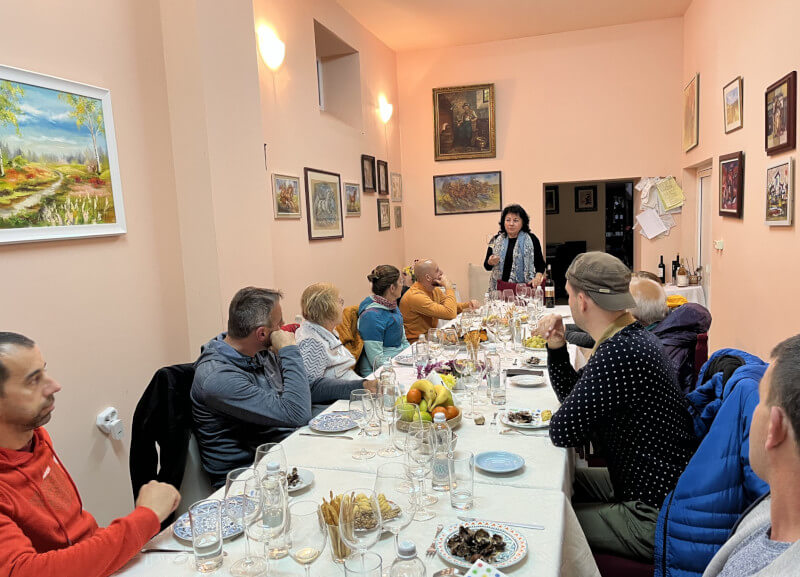
The Vidin region is home to several wineries worth visiting: Novo Selo, Vidinska Gamza, Novoselska Gamza, Borovitza, Magura, Bononia Estate, and Dos Alamos. Some focus mainly on gamza, others work with a broader range of grapes, but they share the same philosophy: here, wine is not an accessory to the trip. It is one of the ways you understand the place itself.
The vineyards along the Danube are more than scenery. They carry memories of old farming communities, prosperous villages, river trade, and generations of people who knew how to work the land.
And the food changes with the geography.
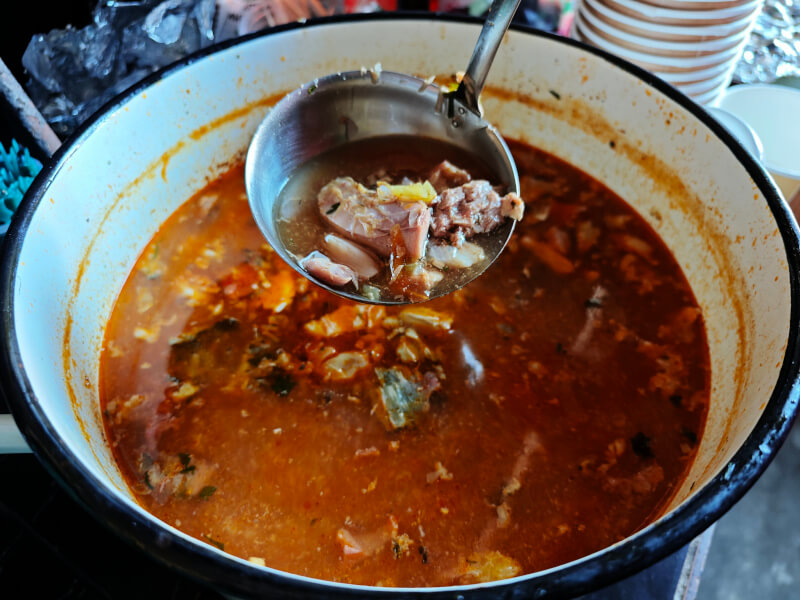
Along the river, the cuisine belongs to the Danube: fish soup, grilled river fish, Vlach recipes, stuffed vine leaves, kachamak—a cornmeal dish similar to polenta—and tiny fish roasted on metal sheets over open fires.
In villages like Yasen, Vrŭv, Koshava, and Novo Selo, summer smells of river water, smoke, fried fish, and wet ropes drying near the shore.
And in Vidin itself, fish soup by the river is practically mandatory. Not because it is an “authentic culinary experience,” but because after walking along the waterfront, you simply need to sit down somewhere and put the salt back into your body.
Along the way, the surprises often matter more than the famous restaurants.
In the small town of Dimovo, for example, an unimpressive roadside inn may serve you lamb soup and crème caramel that taste as though they came straight from your grandmother’s kitchen—served in the same bowls and with the same quiet confidence. The kind of food that genuinely makes people lick their fingers afterward.
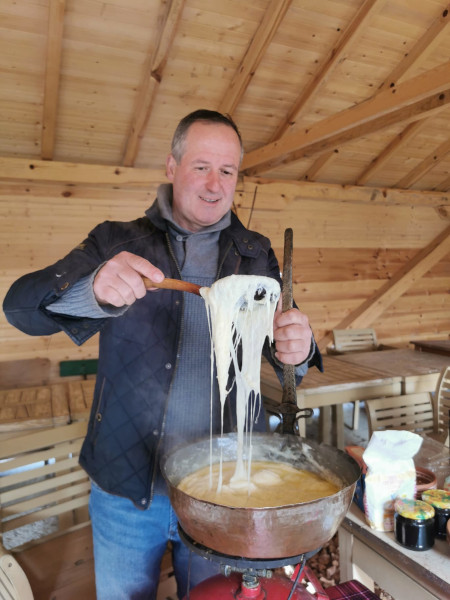
In Belogradchik, the roadside restaurant Pri Ivan is already something of a classic. There you can try Torlak specialties, including bel muzh—fresh cheese melted and stirred into a warm, creamy dish that proves poor mountain cuisine is often the most inventive.
In the village of Prauzhda, Emil Tsankov also keeps Torlak flavors alive. The mountain cooking here relies on only a handful of ingredients—dairy products, wild greens, potatoes, peppers, flour—but transforms them into food that does not perform or pose. It simply nourishes.
And then comes the surprise called Stakevtsi—a tiny village that happens to be home to Onà, the restaurant of chef Filip Zahariev, who was born in Vidin. Onà means “she” in the local dialect.
Calling it “one of the best restaurants in the Balkans” sounds exaggerated right up until you sit down at the table. Then you realize that Vidin and its surroundings have a habit of placing their finest things exactly where you least expect to find them.
In the end, Vidin gamza may be the best metaphor for the entire region.
Difficult to cultivate. Underestimated. Old. Local. Temperamental.
But if you give it time, it reveals softness, depth, and character.
Just like Vidin itself.
Listen to the whole story on Spotify: