Or reason No. 3 to fall in love with Vidin
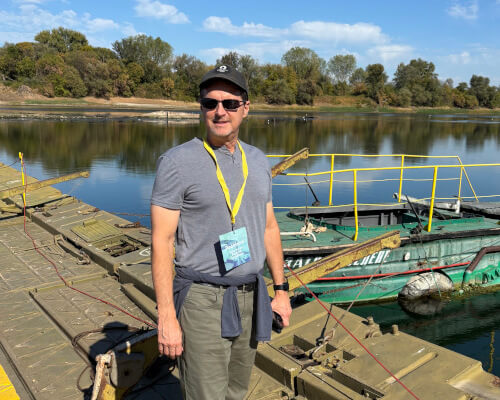
People usually associate Vidin with the Danube: the broad river, the boats, the riverside park, and the mosquitoes locals warn you about with almost parental concern.
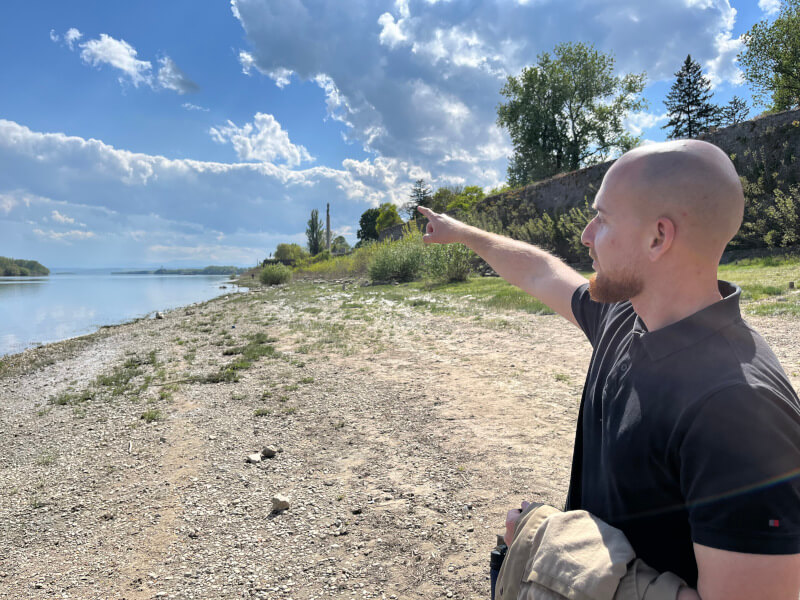
But stand in the right spot, lift your eyes beyond the water, and you will see something unexpected: mountains. Locals say this is the only place along the Danube where the river seems to flow straight toward the Balkan Mountains. The water glimmers blue, and beyond it the mountains begin.
According to local lore, this very view inspired the famous lyric from the Bulgarian anthem: “Proud Balkan Mountains beside the blue Danube.” Even Hans Christian Andersen was struck by the landscape when, in 1840, he traveled back up the Danube by steamboat from Constantinople and caught his last glimpse of the Bulgarian shore from the river.
Some landscapes refuse to remain mere scenery. They slip into travel journals, poems, and even national anthems.
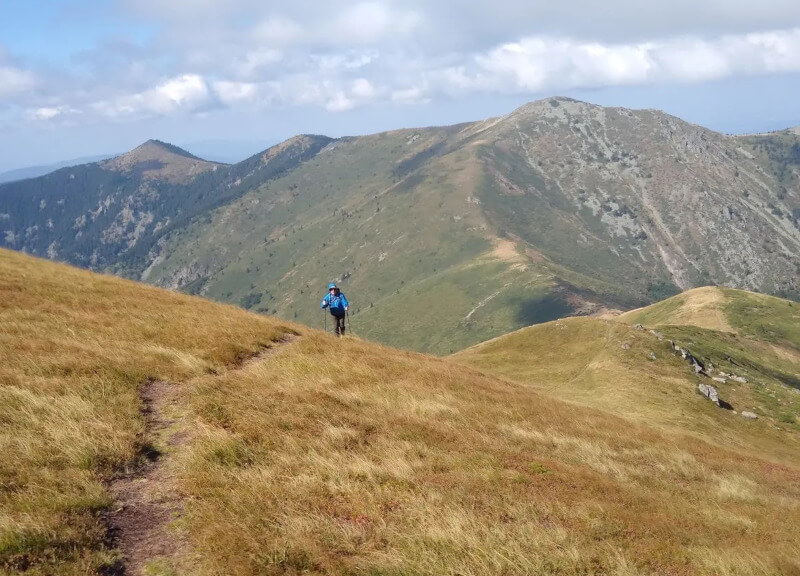
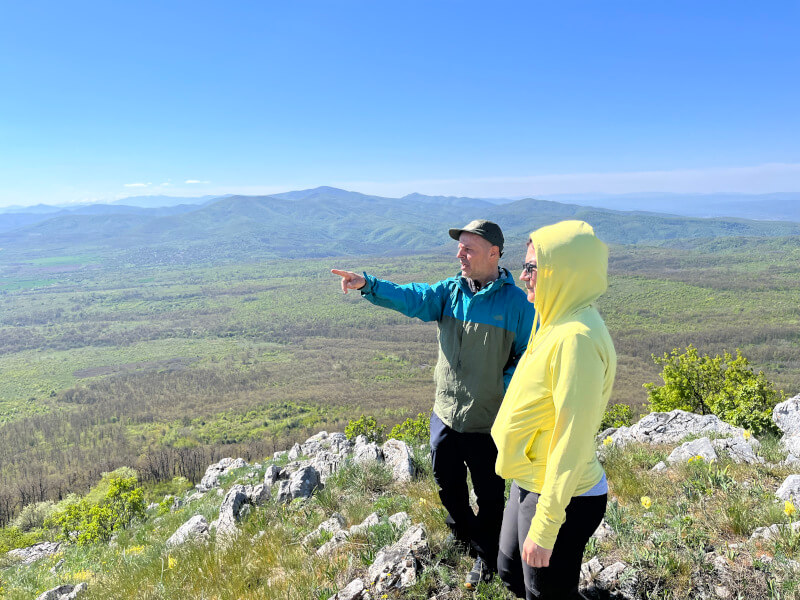
The southern part of the Vidin region is mountainous, and not just mildly so. These are some of the least explored and traveled places left in Europe. For decades, the Iron Curtain ran through these ridges; almost nobody crossed the mountain spine between Bulgaria and Serbia except border guards.
That is why the stretch between Vrashka Chuka peak and Mount Kom still feels wild in a way Europe rarely does anymore. Not “wild” in the polished, brochure-friendly sense. Truly wild: dense forests, animals, overgrown trails, forgotten shelters, and vistas that seem blissfully uninterested in becoming Instagram backdrops.
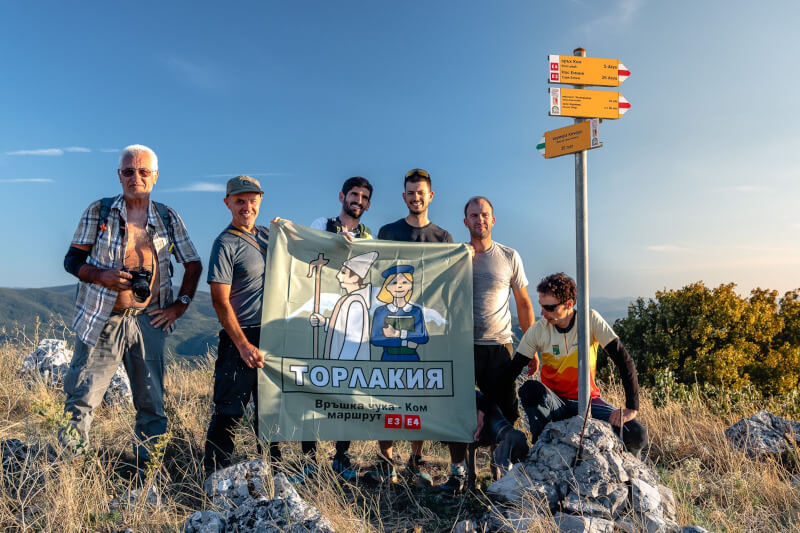
Ivaylo Markov from the Torlakia Association calls this region divotiya—roughly, “beautiful wilderness.” In his mouth, the word sounds like praise.
A filmmaker by profession, he sees the Vrashka Chuka–Kom route as the missing prologue to Bulgaria’s most famous long-distance hike, Kom–Emine, which crosses the entire Balkan range from west to east. Like discovering the backstory to an epic trilogy, this western section suddenly makes the whole journey feel larger.
From Vrashka Chuka, the northwesternmost point of the Balkan Mountains in Bulgaria, to Mount Kom is about 130 kilometers (over 80 miles). Add that to the classic Kom–Emine route, and the great walk becomes even greater, at a whopping 450 miles.
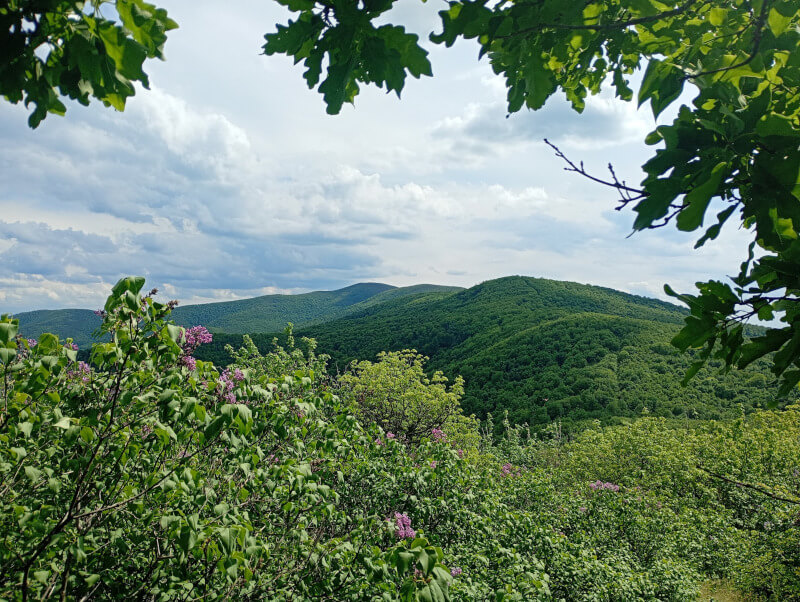
Today volunteers are clearing and marking the trail made possible with donations, municipal support, and help from the America for Bulgaria Foundation. Shelters are being restored. New mountain fountains are planned. People are gathering around the simple idea that this mountain should no longer remain a blank spot on the map.
The mountains are also home to the Torlaks, an ethnographic community known for their dialect, humor, stubborn dignity, and deeply rooted mountain cuisine. Every year, the village of Chuprene hosts a Torlak festival with the wonderfully untranslatable name Kada kum prase i ti vrechu, which loosely means: “If someone offers you something good, take it immediately.”
Nearby, the village of Prauzhda hosts the Sunny Prauzhda festival, gathering music, food, and people among the nearly forgotten western slopes of the Balkan Mountains.
Here, bel muzh—warm fresh cheese whipped into creamy perfection—is not a trendy delicacy but a memory of mountain life, where people learned how to make abundance from very little.
And if you love mountains, head toward Midzhur Peak, the highest summit in the western Balkan range at 2,169 meters (7,116 feet). On the way, stop at Gorski Rai mountain lodge, where the hosts, Mitko and Krasi, possess a rare gift: making visitors feel less like customers and more like people they have genuinely been waiting for.
Vidin is not only a river region.
It is the place where the Danube looks toward the Balkans—and where the Balkans still know how to keep quiet.
Listen to the whole story on Spotify: