Or reason No. 2 to fall in love with Vidin
There are streets in Vidin where people instinctively slow their pace.
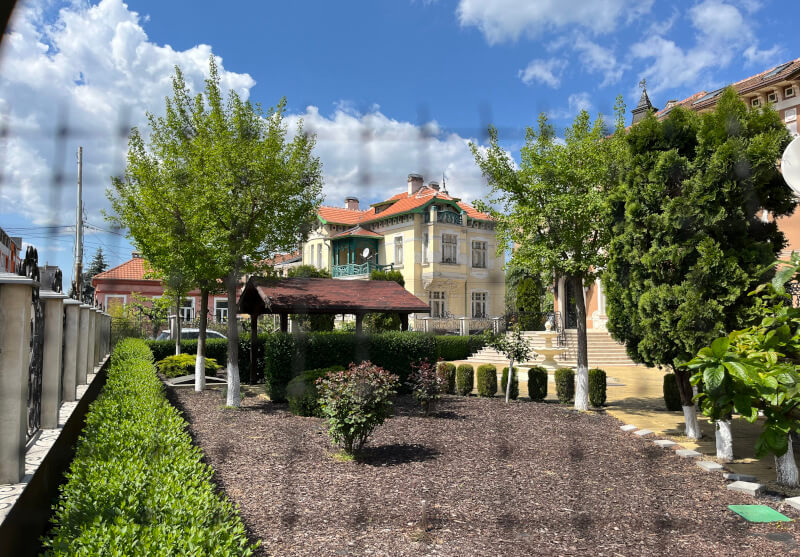
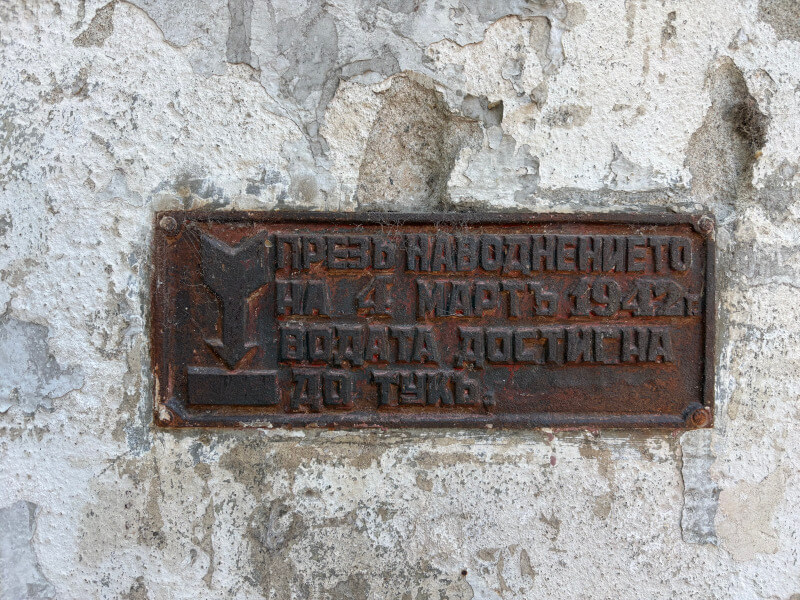
Maybe it is the heavy wooden doors, the tall windows, or the facades with unmistakable European confidence. Maybe it is the restored ornaments, the cracked plaster, or the faint marks on the walls that still remember the great flood of 1942.
Vidin does not arrange its history neatly behind museum glass. It leaves you to discover it for yourself.
That is exactly how Mariana Melnishka and Alexander Gerov see the city in their book The Houses Still Speak, a book that inspired a new generation of architectural and historical walking tours through Vidin. The project Vidin – A Gateway to Europe, supported by the America for Bulgaria Foundation, follows the same idea: telling history through streets, facades, and buildings that locals often pass without noticing and visitors stare at in amazement.
Tour guide Volen Antov leads precisely these kinds of walks. He says the houses tell stories about people with ambition and scale: merchants, public figures, rebels, people who studied and traveled across Europe before returning home with ideas, taste, and confidence.
Vidin truly was a gateway to Europe—not as a poetic metaphor, but quite literally. The Danube carried goods, languages, styles, manners, and ambitions into the city.
Bella Antova, founder of the small art space Pashkul and part of the local organization Stetika, says she loves Vidin’s side streets precisely because of these buildings.
The old wealth here does not shout. It lives in the details: the curve of a window frame, the wrought iron of a balcony, a column hidden behind a courtyard gate, a quiet house that once probably echoed with Bulgarian, Vlach, Turkish, German, Ladino, and French.
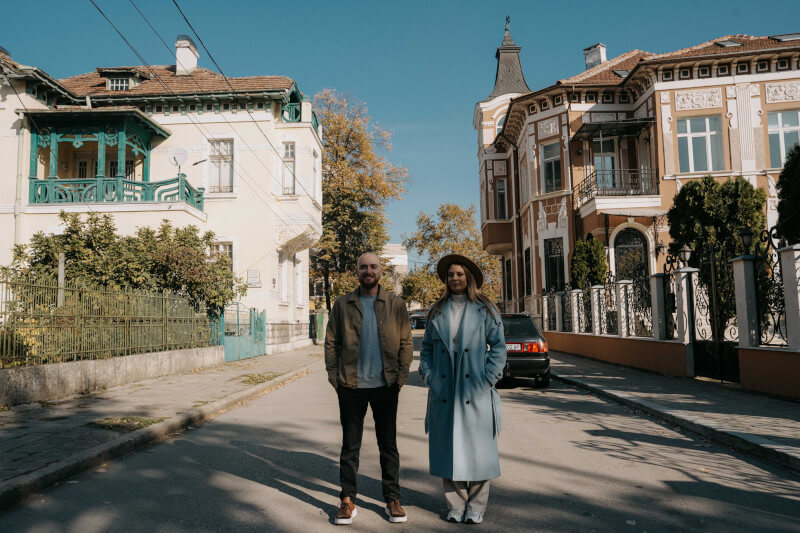
The city carries layers of history.
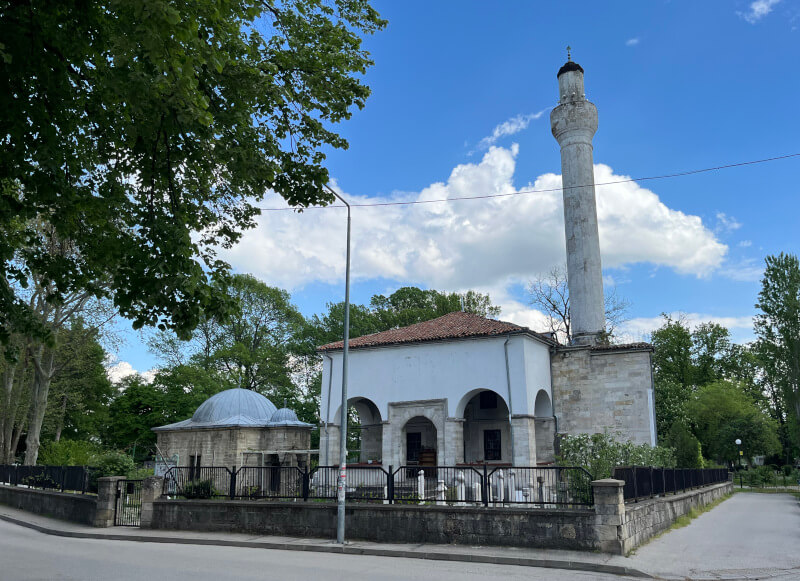
The medieval Baba Vida fortress sits beside the Danube like a stone ship. The gates of the old fortified quarter still hint at ancient moats and defensive walls. The mosque and library built by Osman Pazvantoglu bear their unusual symbol—a stylized spear or, according to the more romantic version, an upside-down heart.
St. Dimitar Church impresses not only with its scale, but with frescoes that weave Bulgarian revolutionaries into much older sacred scenes—as if the church itself were tracing a long, unbroken thread of Bulgarian memory and identity across the centuries.
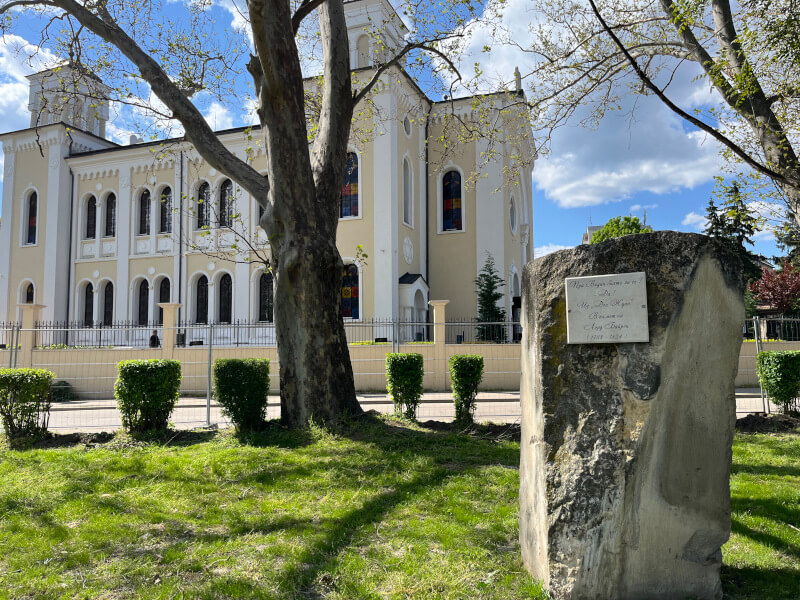
And the synagogue—once considered the most beautiful Jewish temple in Bulgaria—is no longer a ruin, but a cultural space dedicated to the local Jewish community and to the French painter Jules Pascin, who was born in Vidin.
And once you leave the city, the houses keep speaking.
In the Danube villages of Vrŭv, Novo Selo, Florentin, Yasen, and Koshava, you will find homes that look like miniature palaces: arches, columns, spacious facades, high courtyard walls. It makes sense. These villages once prospered through river trade, agriculture, and constant contact with the wider world flowing along the Danube.
In Vrŭv, it becomes dangerously easy to imagine selling your apartment in the big city and buying a vine-covered house with a courtyard and a slower rhythm of life.
But not every story has survived equally well.
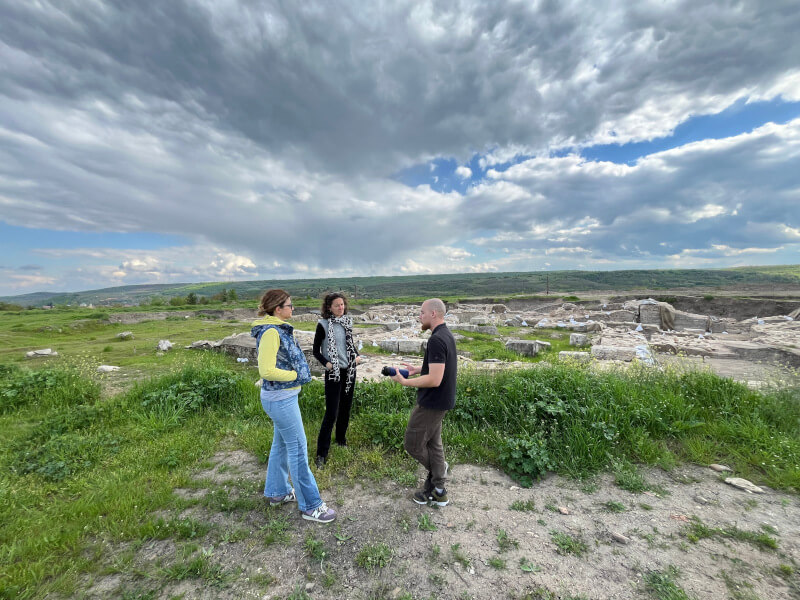
Near the ancient Roman city of Ratiaria, the ground now resembles a lunar landscape, scarred by decades of illegal treasure hunting. Once one of the most important Roman cities along the Danube—and a base for the Roman military river fleet—Ratiaria today remains only partially excavated. For years it was looted and neglected, and it still waits for proper care, protection, and attention.
That too is part of the conversation about memory.
Some places still tell their stories clearly. Others can barely be heard anymore.
The local association Stetika has been searching for those fading voices through its project Hidden Architectural Treasures of Northern Bulgaria, documenting forgotten buildings through photographs, video stories, and future walking routes.
You can explore Vidin’s architectural treasures here:
https://www.northbulgariatreasures.com/oblast-vidin
And you can take a video walk through the city with guide Volen Antov here:
https://www.youtube.com/watch?v=PWtQiIGpUjc
Listen to the whole story on Spotify: