Or reason No. 4 to fall in love with Vidin
The Belogradchik Rocks do not appear gradually.
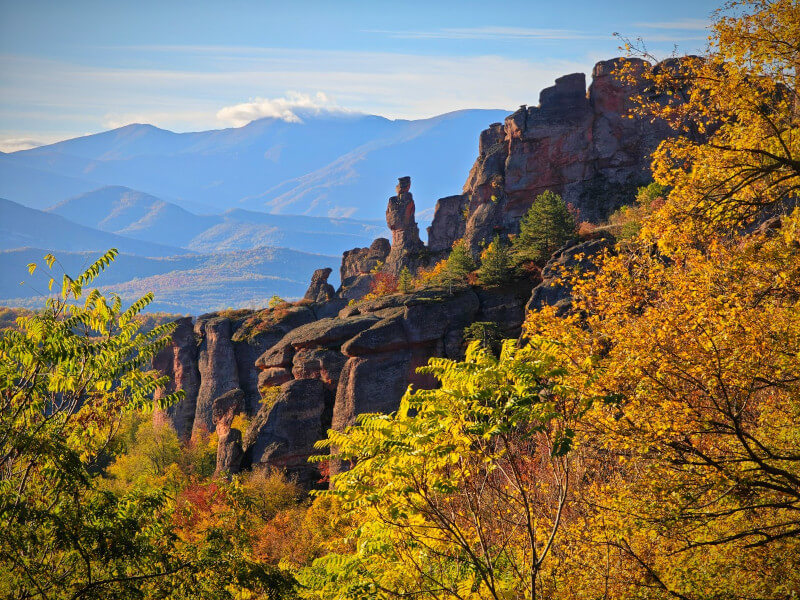
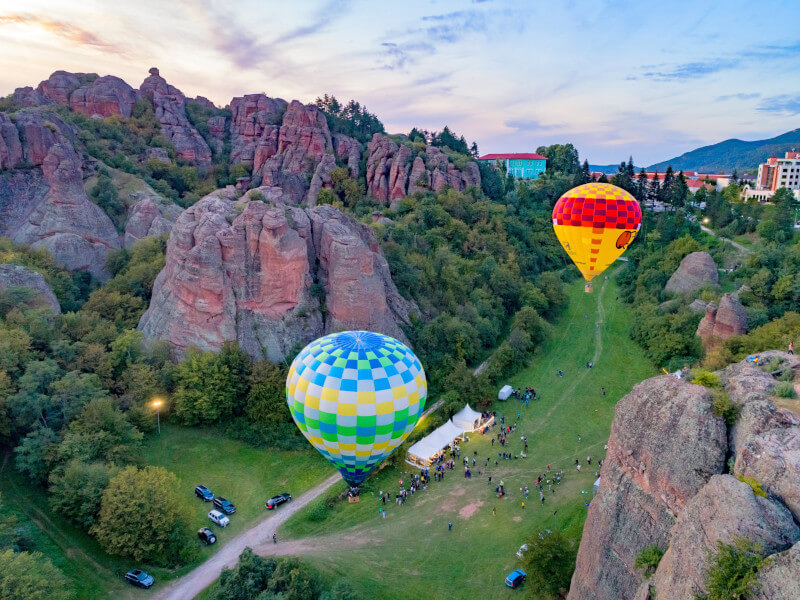
They suddenly rise in front of you—towering red and rust-colored cliffs, sometimes reaching 200 meters (650 feet) high, like a frozen wildfire erupting from the green hills. At sunset they become even more dramatic. The light catches them sideways, shadows stretch across the stone, and the rocks begin to resemble living things: animals, giants, monks, ancient figures waiting millions of years for someone to recognize them.
Many people associate the Belogradchik Rocks only with the famous fortress viewpoint. In reality, this stone world stretches far beyond it. The formations spread across the countryside around Belogradchik and the villages of Borovitsa, Chiflik, and Prauzhda, reaching deep into the neighboring Montana region.
Wind, water, and temperature shifts sculpted them over hundreds of millions of years. Iron oxides gave them their reddish glow, while limestone added gray and cream-colored shades. Jagged ridges, vertical walls, stone pillars, abysses—it feels as though nature abandoned moderation entirely here.
The rocks are included on UNESCO’s Tentative List, recognition that hints at how extraordinary the landscape truly is. Yet even that barely prepares you for the sensation of standing among them.
They are not merely a natural landmark.
They are a stage, fortress, and labyrinth all at once.
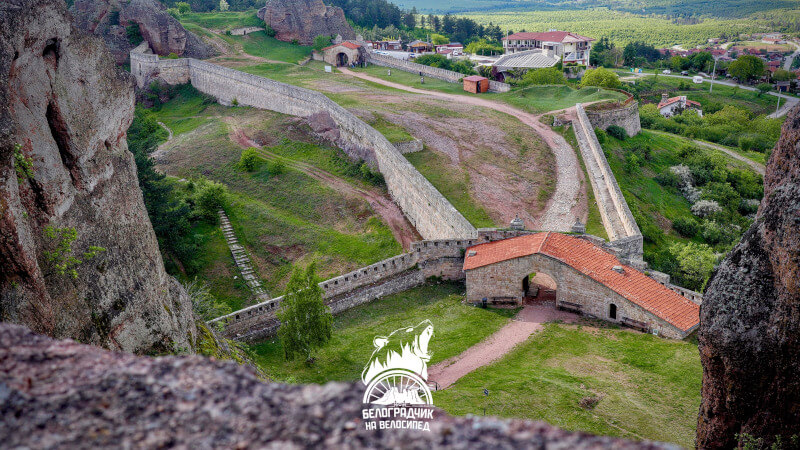
For centuries people used them as natural defenses—because what better fortress wall than a 70-meter (230-foot) rock face? Belogradchik Fortress was built precisely this way: human-made walls exist only where nature had not already done the work.
Today more and more people are working to make this landscape something visitors truly experience rather than simply photograph and leave behind. Belogradchik’s mayor and local team are actively developing sustainable tourism in the area, while the municipality is building an 11-kilometer (7-mile) hiking route that will allow visitors to move through the rocks themselves instead of viewing them only from afar.
Because the Belogradchik Rocks are not meant for a quick stop.
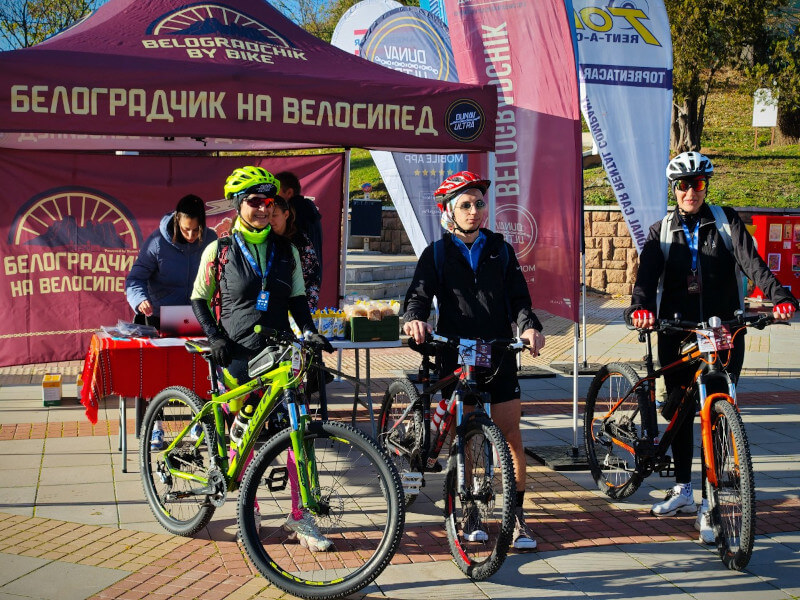
They ask for your time. Walking shoes. A bicycle. Water in your backpack. A willingness to get pleasantly, harmlessly lost.
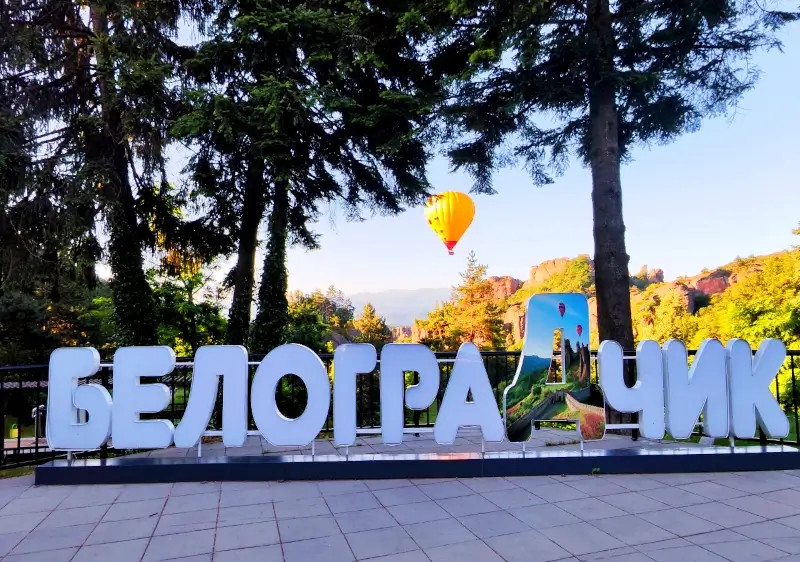
And for the adventurous, there are hot-air balloons. From above, the rocks stop looking like scenery and begin to resemble an entire stone archipelago rising from dry land.
The region hides other wonders, too. Magura Cave is famous for its prehistoric paintings and thousands of bats. Venetsa Cave feels like another planet altogether: crystals, stalactites, stalagmites, aragonite formations, and colors that seem almost unreal until you see them yourself.
In this corner of Bulgaria, the earth apparently never settled for being beautiful only on the surface.
And among the rocks blooms the Serbian ramonda, a tiny flower with the biography of a mythical creature. Older than the dinosaurs, survivor of ice ages, capable of reviving after complete dehydration—it feels perfectly suited to Belogradchik.
Here even the stones seem capable of resurrection.
Get a taste of Belogradchik with this video tour, courtesy of Bella and Volen Antov.
Listen to the whole story on Spotify: