 The first few years of life are the most crucial for later success, Nobel Prize–winning economist James Heckman has found. Children who have access to quality early education are more likely to do well in school and find good employment in adulthood, and less likely to engage in crime and become dependent on welfare. Life prospects are far grimmer for those who are prevented from attending preschool.
Every second child in Bulgaria lives in poverty, and access to early childhood education is a problem, particularly in the country’s rural regions. А main obstacle to attendance is kindergarten fees, especially among economically disadvantaged groups like the Roma, according to a 2017 World Bank study. The study found that making kindergarten free is the single most effective way to encourage preschool attendance among the country’s poorest: it halves the share of unenrolled children and increases attendance by 20 percent.
Eliminating kindergarten fees also makes economic sense. While it deprives municipalities of certain income in the short term, the gains far outstrip the costs in the long haul: local governments spend far less on remediation programs later on and benefit from the additional taxes paid by gainfully employed individuals. According to the World Bank, the full inclusion of Roma youth in Bulgaria’s labor market will increase the country’s gross domestic product by 3.4 percent, or 526 million euro per year.
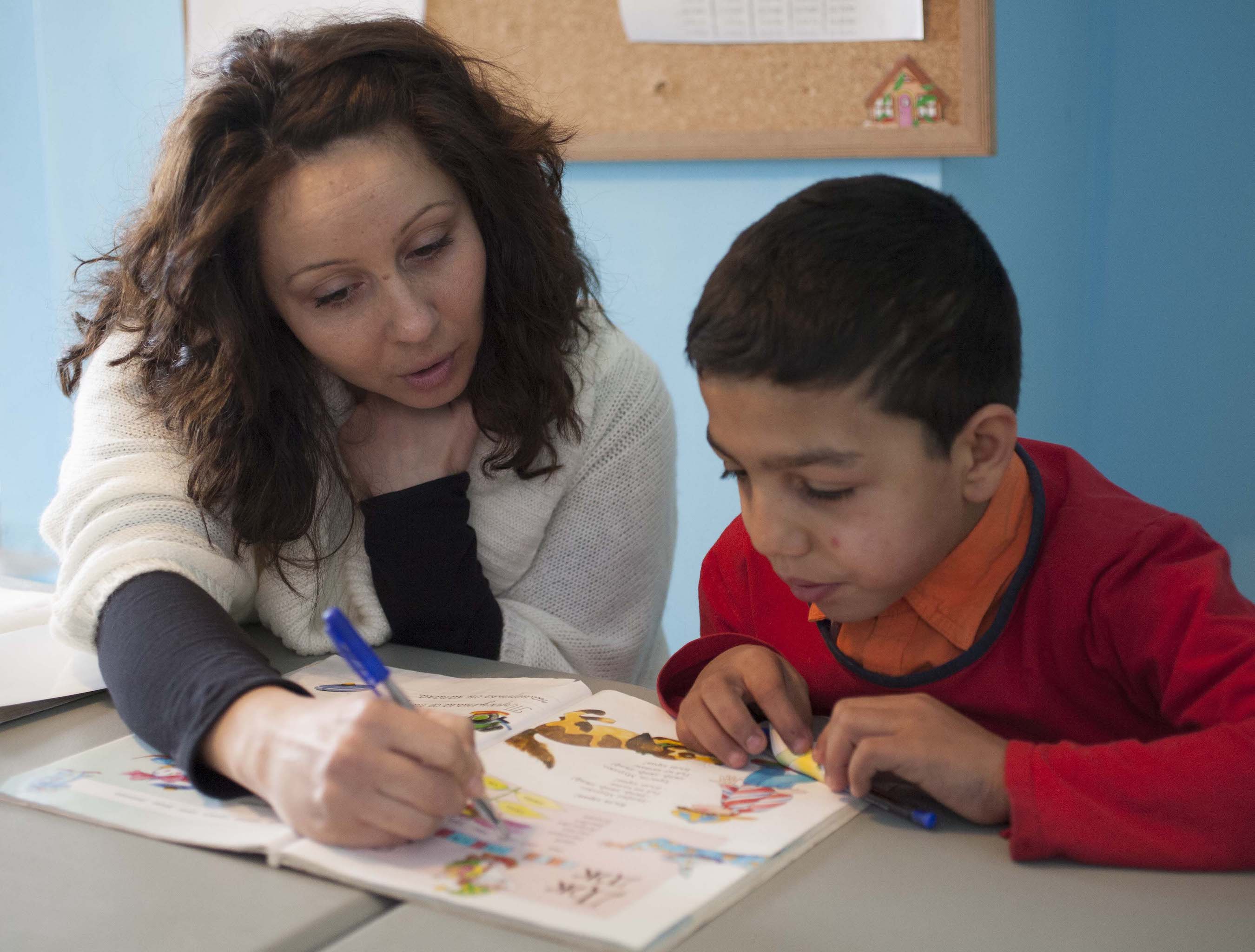 “What we invest in our children now will translate into a manifold return for the state in the future,” says Eugenia Volen, program officer for early learning and care at the Trust for Social Achievement. The Trust works with Roma and other economically disadvantaged groups throughout Bulgaria and has campaigned to remove kindergarten fees since its founding in 2012. “What it takes to make this reality is the will of forward-looking local leaders who work hard to help their communities,” Volen adds.
As of February 2019, 45 municipalities in Bulgaria have waived preschool fees either partially or completely.
We reached out to government officials from three municipalities and asked them about the effects of fee removal. Here’s what they had to say:
Tundzha, Southeast Bulgaria
Tundzha municipality has one of the most inclusive early education programs in Bulgaria. Tundzha is made up entirely of villages, with kindergartens available only in a handful of them. So, although the municipality had charged a minimal fee for preschool for years, the cost of attendance, including commuting and additional school expenses, had proved prohibitive for parents, many of whom had no regular income.
To encourage preschool attendance, in 2010, the municipality removed kindergarten fees for five- and six-year-olds, and in 2014 it removed fees for all children, regardless of their age, becoming one of the first municipalities in Bulgaria to do so. Deputy Mayor Stancho Stavrev is in charge of the municipality’s education portfolio and has helped pass a number of additional measures in early education such as free transportation and additional educational support for preschoolers. This has led to a 10 percent increase in attendance and freed up time for parents to seek employment.
Stavrev returned to teaching part-time in 2017-2018 to stay abreast of families’ education needs and regularly meets with parents to discuss current needs and receive feedback on the municipality’s initiatives. Both Stavrev and the mayor, Georgi Georgiev, have an open-door policy throughout the week.
“The 50,000 levs the municipality used to collect in kindergarten fees has not made much of a dent in the municipal budget, but it has helped us achieve two goals—parents who are happy to have been relieved of a not-insignificant strain on the family budget as well as the inclusion of 100 percent of children in early education programs,” Stavrev said.
Botevgrad, Northwest Bulgaria
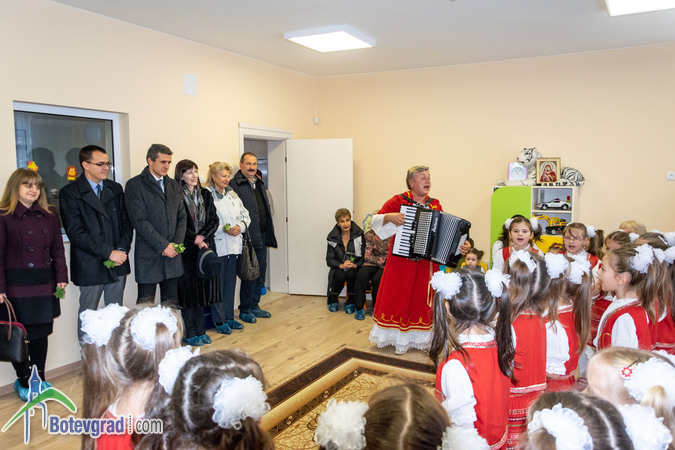 From one of the most expensive places to attend kindergarten in Bulgaria, Botevgrad has become one of the most affordable ones after Mayor Ivan Gavalyugov removed kindergarten fees for five- and six-year-olds and halved fees for three- and four-year-olds in 2016. Municipal spending on preschool services has almost doubled as a result—a worthwhile investment, according to the mayor, as it has helped the municipality increase kindergarten enrollment, 87 percent among five- and six-year-olds and around 55 percent among three- and four-year-olds. There is also an uptick in employment among parents of preschool-age children, contributing to one of the lowest unemployment rates in the country, 4.93 percent as of January 2019.
“The illiteracy rate among Bulgarians has grown over the past few decades. Efforts to reverse this negative trend have to begin in kindergarten. Preschool fees affect attendance directly, particularly among children from vulnerable social groups, such as children of unemployed parents from a low socioeconomic status, regardless of whether they belong to an ethnic minority or not,” Gavalyugov said.
“We definitely cannot expect to see quick results from a change such as the reduction of kindergarten and pre-kindergarten fees. It is clear that improving the educational environment will be a long process, but it is the most important factor for the successful development of a country. This is why every effort and investment that local governments can afford to make will be justified in ensuring a better future for our children,” the mayor said.
Antonovo, Northeast Bulgaria
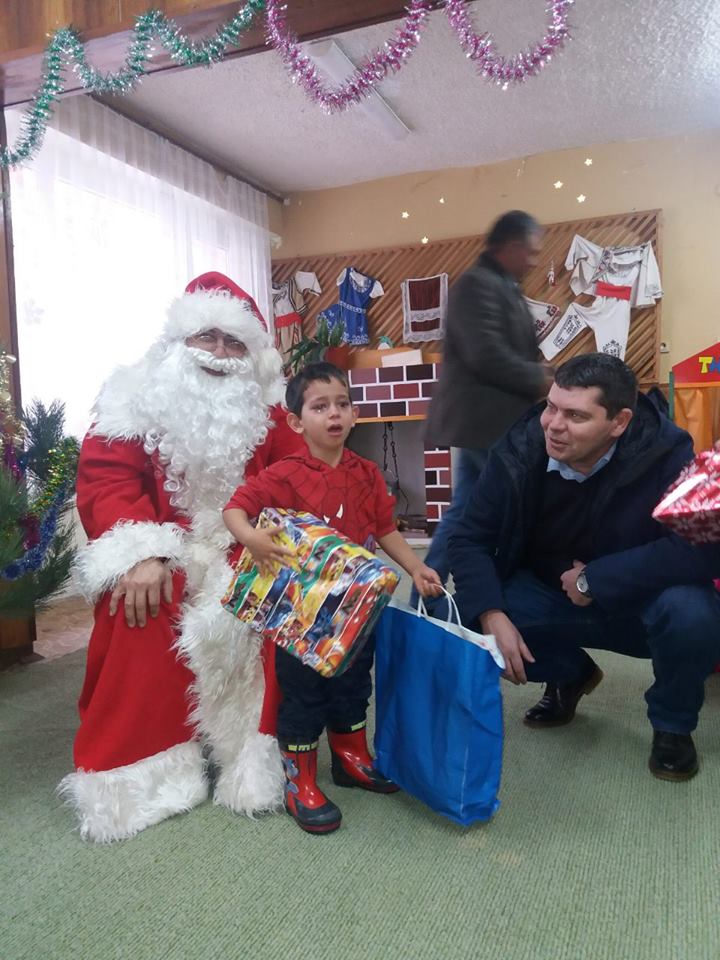 Antonovo is a small municipality consisting of a town and several dozen small villages. Incomes here are low, and although attending preschool had cost 10 levs per month for years, many children simply stayed at home until they reached school age. To encourage preschool attendance, Mayor Hayredin Mehmedov removed kindergarten fees for all ages in September 2018. Six months later, enrollment has gone up by 10 percent, and each of the four kindergarten branches on municipal territory has registered new signups.
“In light of the demographic crisis and low incomes, this is a relief for parents. I believe the removal of kindergarten fees is the most effective strategy to increase attendance. Besides, if we want all children to continue on to school and not drop out, the surest way is if they have attended preschool beforehand,” Mehmedov said.
Neli Nikolova is a two-term municipal councilor in Antonovo and an education expert at the Amalipe Center for Interethnic Dialog and Tolerance and has been instrumental in the removal of financial barriers to preschool attendance in Antonovo. “Kindergarten fee removal is important as it will give children an equal start in life, keep them in school later on, and help them find occupations. I am convinced that for change to happen in Bulgaria, we have to work at the municipal as well as at the state level. This is the most important public investment we can make,” Nikolova said.
Programs of the Trust for Social Achievement are supported by the America for Bulgaria Foundation.
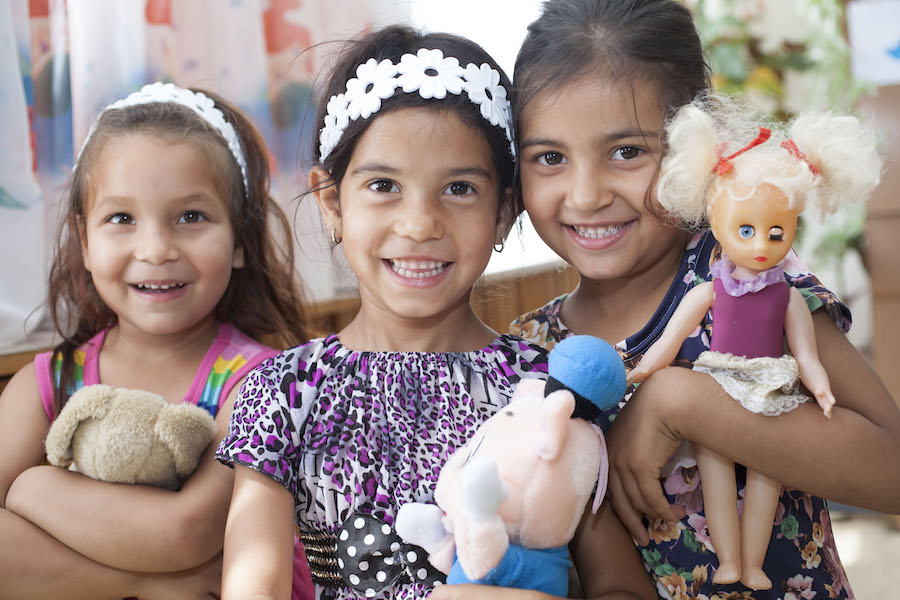
Photos 1 & 2: Children enrolled in Trust for Social Achievement programs
Photo 3: Mayor Gavalyugov attends a celebration at a Botevgrad kindergarten
Photo 4: Mayor Mehmedov is listening to a kindergartener recite a poem about winter