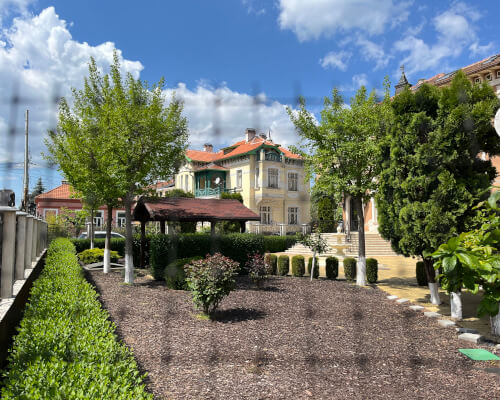
6 Reasons to Fall in Love Vidin: The Houses That Speak
Vidin does not arrange its history neatly behind museum glass. It leaves you to discover it for yourself.
Vidin does not arrange its history neatly behind museum glass. It leaves you to discover it for yourself.
People usually associate Vidin with the Danube: the broad river, the boats, the riverside park, and the mosquitoes locals warn you about with almost parental concern.

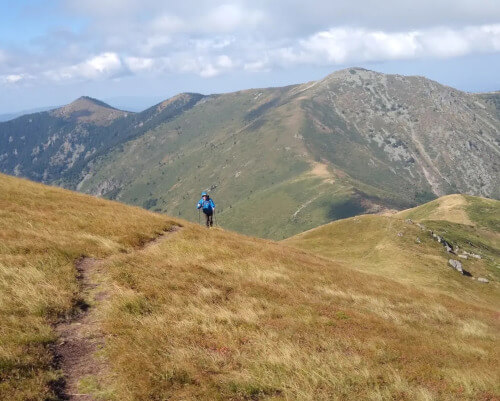
They suddenly rise in front of you—towering red and rust-colored cliffs, sometimes reaching 200 meters (650 feet) high, like a frozen wildfire erupting from the green hills.

Vidin and its surrounding region are not beautiful only because of the river, the mountains, or the rocks. Its real landscape is made of people.

In the village of Prauzhda, Emil Tsankov also keeps Torlak flavors alive. The mountain cooking here relies on only a handful of ingredients—dairy products, wild greens, potatoes, peppers, flour—but transforms them into food that does not perform or pose.

What began with a chance discovery in the 1980s is now one of Bulgaria’s most compelling cultural landmarks.

What does it take to build something that lasts? Kalina Trifonova of EVN reflects on long-term thinking, trust, and why the Basilica is more than a restoration project. From playgrounds to partnerships, this is a story about doing things that hold up over time.

From its vast dimensions to its smallest details, this is the story of the Bishop’s Basilica, told for the ear.

Few people would put the words jungle and Pleven in the same sentence. And yet, between Belene and Nikopol, the Danube winds past islands tangled with vines and riverside forests. In our new series The North, Up Close, each month we’ll take you to a different corner of Northern Bulgaria—meeting the people, places, and stories that rarely make it into the headlines.