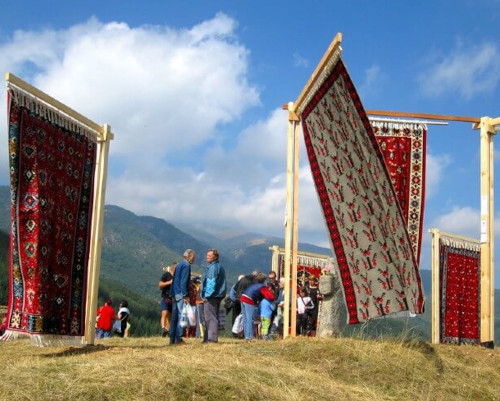
The Town Where Carpets Bring the World Together
Every spring, people from the world over travel to Chiprovtsi for its carpets. Many return for what lies behind them: the labor, memory, and human ties woven into the craft.
Every spring, people from the world over travel to Chiprovtsi for its carpets. Many return for what lies behind them: the labor, memory, and human ties woven into the craft.
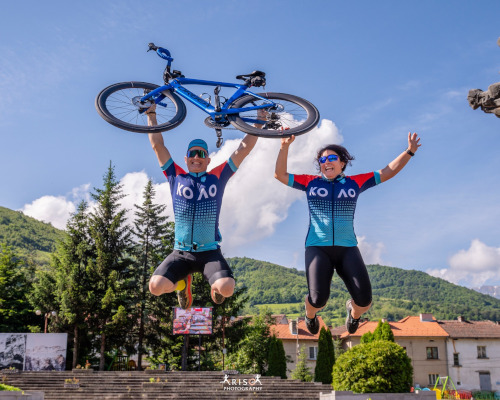
The Northwest Bike Tour shows Chiprovtsi and the region at just the right pace—slowly enough to take it in, fast enough to make you feel gloriously free.
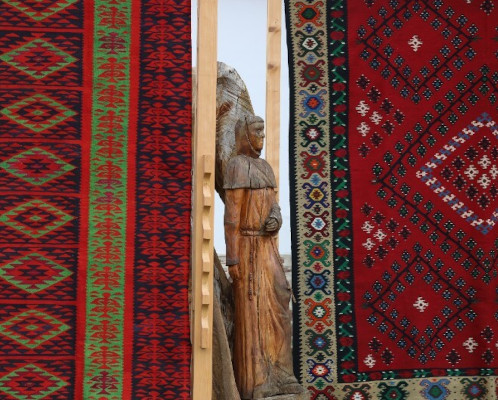
The museum on the hill tells why Chiprovtsi was once called “the Flower of Bulgaria” and why this small town has played such an important role in Bulgarian history.
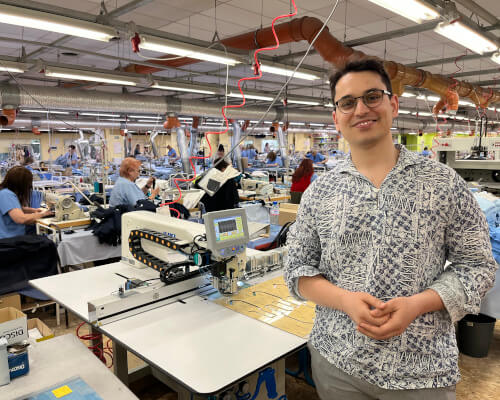
Mihail Milchev could have stayed in Germany, Sweden, or anywhere else his engineering career might have taken him. Instead, he came back to Vidin.
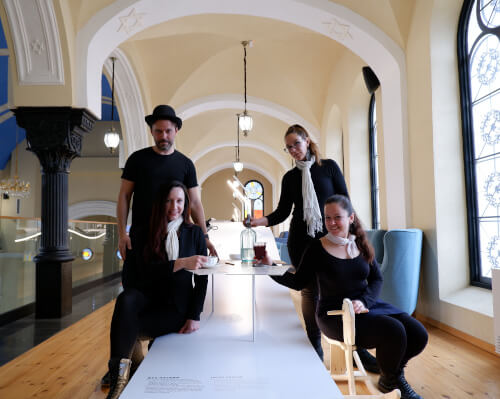
Inside the restored Vidin Synagogue, Atelier 3 has created an exhibition that feels less like a museum and more like a conversation across time, bringing back the voices, stories, and restless spirit of a vanished world.
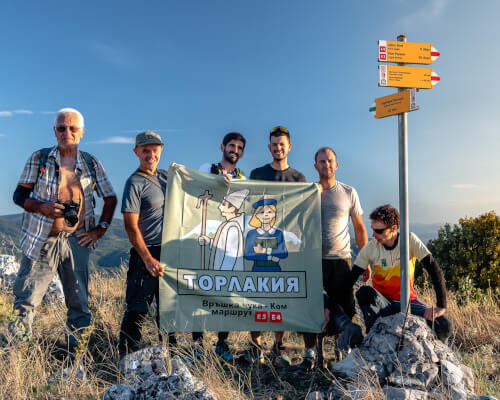
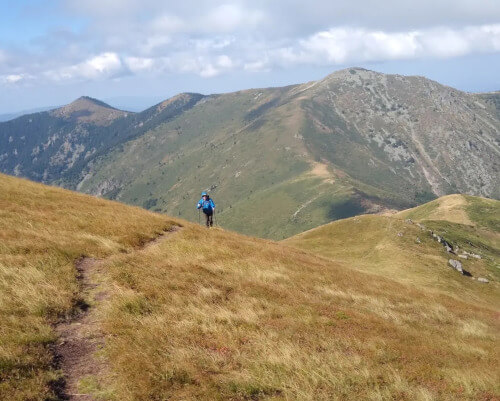
For decades, these ridges along Bulgaria’s old Iron Curtain were nearly empty except for border patrols. Today, volunteers are reopening forgotten trails through one of Europe’s last truly wild mountain landscapes.
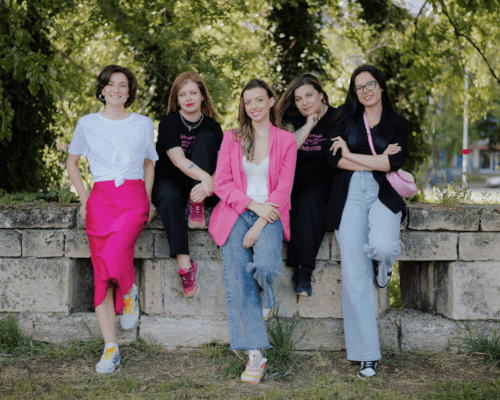
There is an old joke in Bulgaria, equal parts funny and cruel: everyone knows someone from Vidin—they just usually know them in Sofia, London, Berlin, or somewhere else far away.
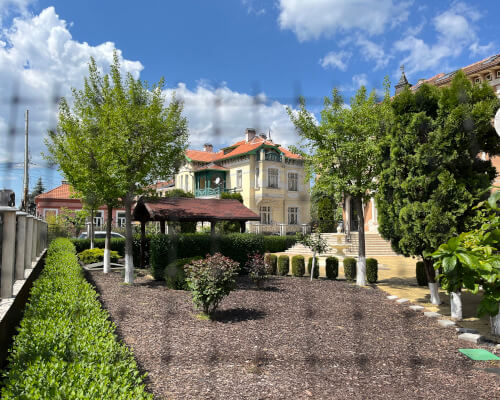
Vidin does not arrange its history neatly behind museum glass. It leaves you to discover it for yourself.
People usually associate Vidin with the Danube: the broad river, the boats, the riverside park, and the mosquitoes locals warn you about with almost parental concern.